

WOMAN’S PSYCHOLOGY
Toronto women have always strived for equality with men, independence, and respect for their rights. To achieve this, they organized rallies, filed petitions and formed independent clubs. Toronto has often served as a center of women’s reforms in Canada. What events have influenced this and how feminists have been able to improve living conditions for other women are discussed further on torontonka.
The Birth of Feminism in Toronto: The First Women’s Organizations and Their Reforms
The history of women’s feminism in Toronto spans over 100 years. In Canada’s largest city, the struggle for equal rights with men began in the nineteenth century as a response to changing social and economic conditions. At that time, Toronto witnessed large-scale construction, the creation of new transportation systems, and rapid development in business, legislative, educational and other fields. Such urbanization attracted people from rural areas, gradually improving the quality of life for Canadian families. Women gained mobility and started fighting for equal rights.
In the mid-nineteenth century, women began meeting more frequently and organizing joint activities to improve social conditions. This period saw the emergence of the first women’s organizations in Toronto, which focused on women’s rights, freedom and economic independence.
In 1871, on their initiative, the Married Women’s Property Act was passed, granting married women the right to independently manage their salaries and business profits. This legal separation of women as independent entities from their husbands inspired many to create new feminist associations throughout the city.
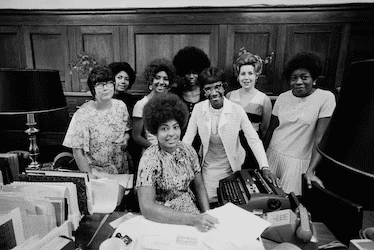
In 1895, members of the Toronto Trade Union advocated for a ban on alcohol sales and addressed other issues related to children and women. Feminists also demanded equal political rights for women, allowing them to participate in improving life in the city and establishing beneficial societal regulations.
Alongside the trade union, one of the first feminist associations in Toronto was the Women’s Literary Club, representing the interests and needs of middle-class women. Led by Emily Stowe, a teacher and doctor, the club aimed to ensure women had access to higher education, better working conditions, and equal political opportunities alongside men.
What Rights Did Toronto Women Gain in the Last Century?
In 1884, the Women’s Club changed its name to the Canadian Suffrage Association. Two years later, women in Toronto were able to vote in elections for the first time. Their bills advocating for equality with men gained support from the state, granting them the right to vote. In 1918, Prime Minister Robert Borden granted women the right to vote in federal elections. However, women were still not allowed to hold public office, except for married Toronto residents, with the assumption that their husbands would influence political activities.
In 1884, women were also granted the opportunity to study at the University of Toronto for the first time, and in 1883, medical colleges were opened to them. Since then, women have continued to engage in feminist activities in the city, even during the Second World War. Women joined trade unions and influenced the government to pass new laws regarding women’s rights.
In 1931, the Toronto chapter of the International Ladies’ Garment Workers’ Union organized a protest against the wage inequality between men and women, leading to the passing of the The Female Employees Fair Remuneration Act in 1951. Consequently, women gained equal labor rights and saw an increase in wages.
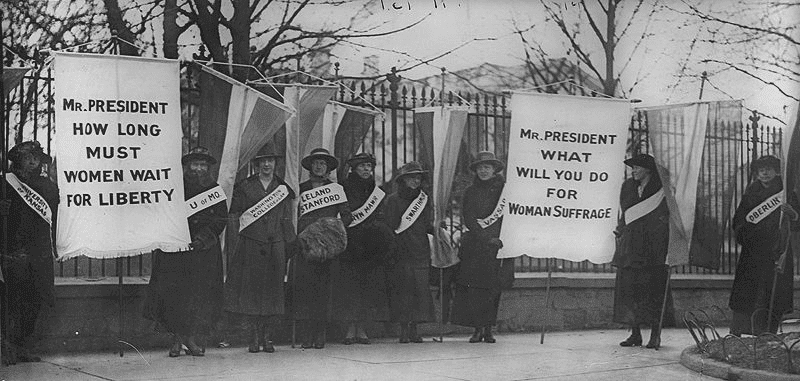
The Development of Feminism in Toronto
During this period, members of the Canadian Suffrage Association, based in Toronto, took inspiration from American feminists. They invited American suffragette Emily Stowe to a meeting in Toronto. Stowe, an active participant in the feminist movement for women’s voting rights and an end to discrimination against women in political and economic activities, became the head of the newly founded Dominion Women’s Enfranchisement Association. Despite Stowe’s efforts, the organization had limited regional influence.
The most successful women’s association in Canadian history, the National Council of Women, was founded in 1893, with its first meeting held in Toronto’s Allan Gardens. Approximately 2000 women attended it, and through their collective efforts, women’s unions were established across the country, fostering collaborations with numerous other associations.
In the same year, the Toronto Women’s Council established a bureau at City Hall to register unemployed women for increased employment opportunities. Feminists also analyzed the working conditions of women in factories and advocated for their improvement. As a result, a woman was appointed as a factory inspector to enforce compliance with factory laws, and a hostel was built for female migrant workers.
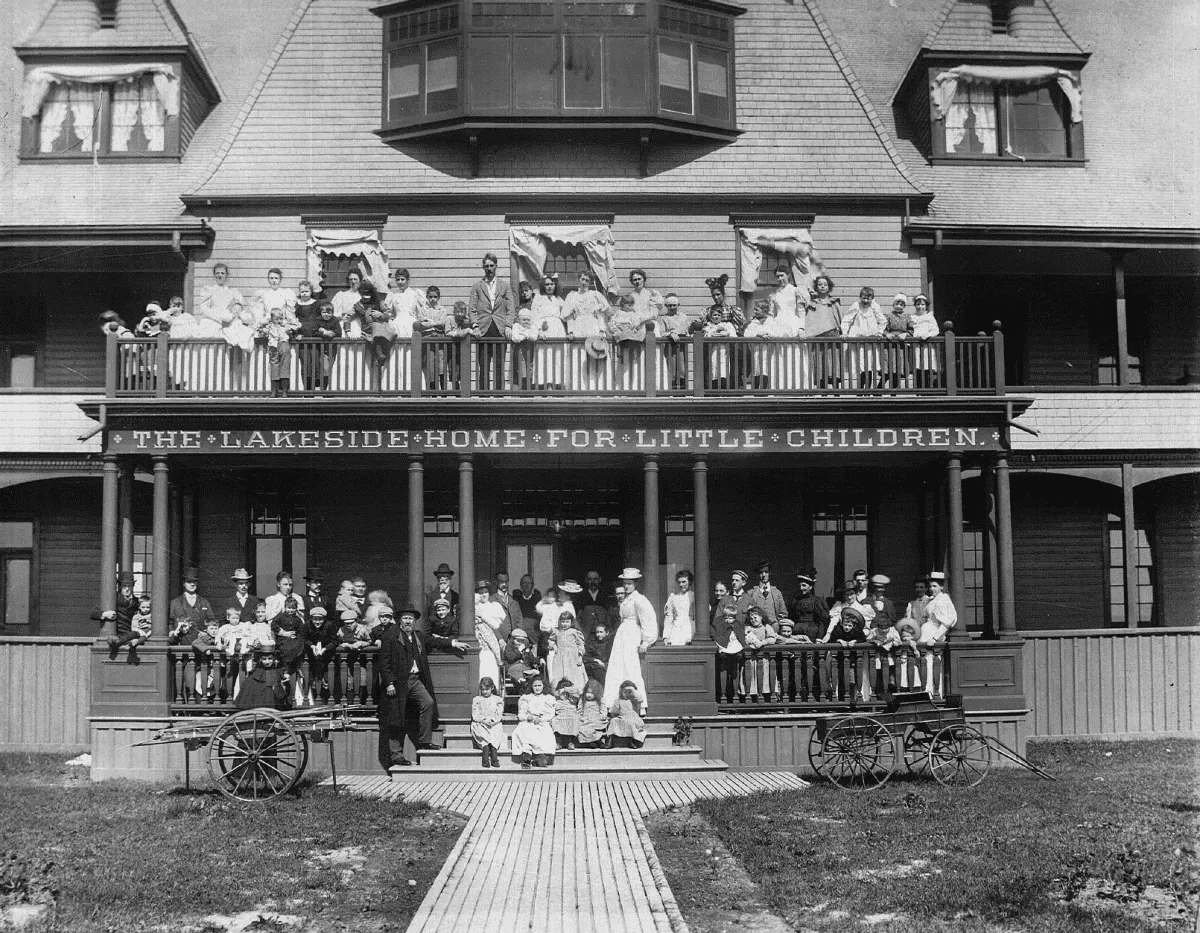
Subsequently, women’s organizations in Toronto undertook large-scale activities that gained international recognition. For instance, at the initiative of feminists from Toronto, milk pasteurization was implemented, new mothers received advice on child-rearing and care, widows received financial assistance, female students at the University of Toronto gained access to better medical services and free clinics were opened for children. Additionally, modern filters were installed to purify water in city sewers.
Feminism in the Racial Hierarchy: How Did National Policies on International Women’s Rights Change?
During the nineteenth and twentieth centuries, a racial hierarchy existed in Toronto and beyond, resulting in inequality between black and white women of different nationalities. Indigenous women from Canada and America, for example, were not granted the right to vote until 1960.
In the face of racial discrimination, women fought for political participation and equality with men. In 1963, they founded the Native Canadian Center in Toronto, and their numbers steadily grew. They participated in rallies, utilized digital platforms, and formed coalitions to draw attention to the issue of gender inequality.
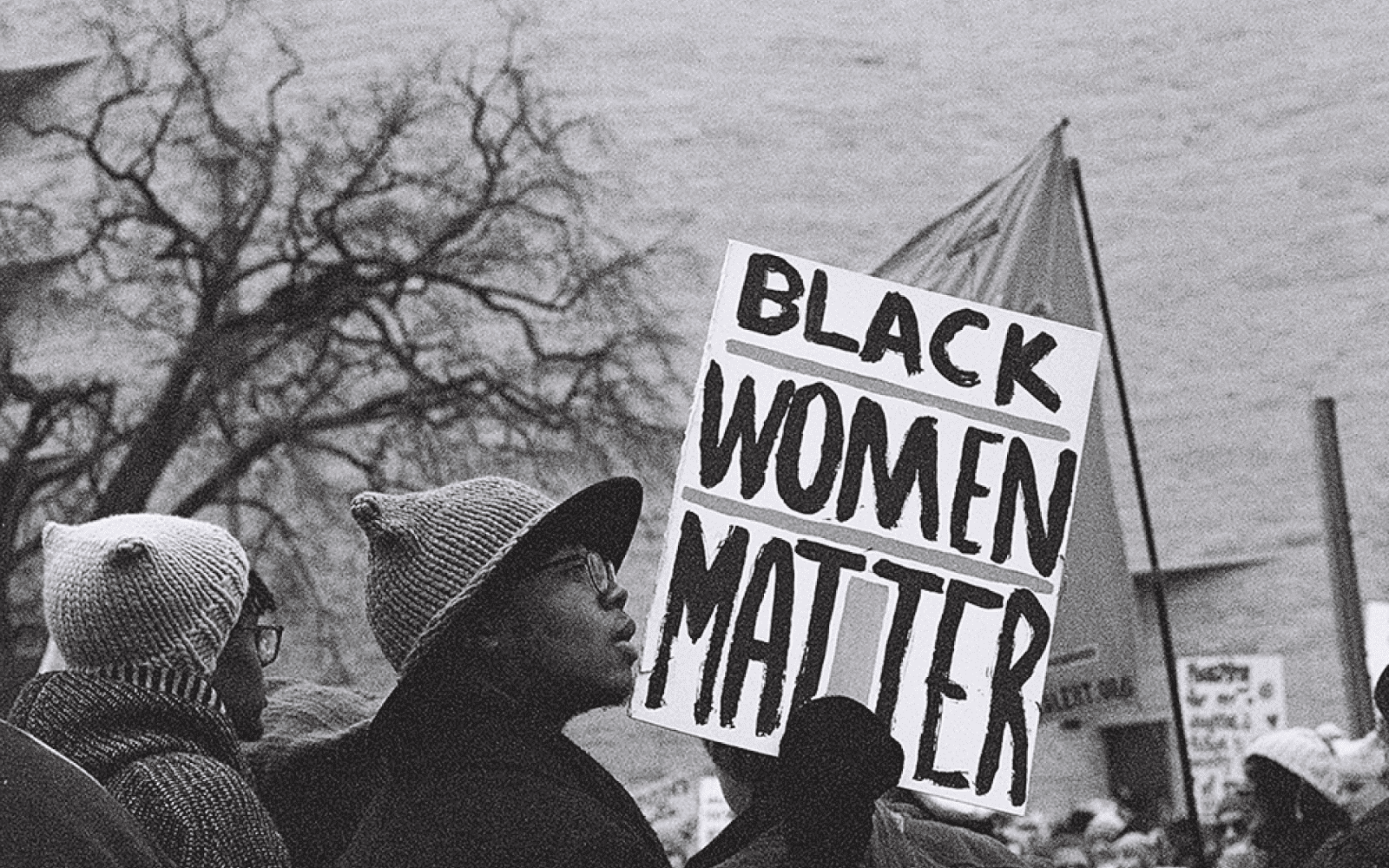
Their activities aimed to protect their interests, voice their needs, and ensure a high standard of living for women.
In 1918, The 19th Amendment was passed, granting every woman over the age of 21 the right to vote. Additionally, the Supreme Court of Canada declared the abortion ban unconstitutional, marking a significant step in recognizing women’s rights to their bodies. Reforms were also implemented to address poverty, violence, education, wages and more. Since then, Toronto has remained a prominent center of feminism in Canada.