

Toronto is a city for active, courageous, and ambitious people who prove every day that they deserve a happy and prosperous life. Among them are many immigrants, such as Svitlana from Kyiv. Fifteen years after moving here, she shared with us the characteristics of the local mentality. Is it worth moving here? How does Toronto differ from Kyiv, and how has her life changed since emigrating? Read more on torontonka.
Why Did Svitlana Move from Kyiv to Toronto?
Svitlana Dubova spent most of her life on Hrushevskoho Street in Kyiv. However, after getting married, her life took a dramatic turn. Svitlana’s husband, a professional programmer, decided to leave Ukraine and pursue a career in a foreign company. They chose Canada, as obtaining an expatriate visa there was relatively easier and quicker.
In his opinion, Toronto was the safest and most comfortable city to live in, so he suggested that Svitlana join him there. Although she had never contemplated emigrating, she decided to give living in another country a try.
First Impression of Toronto: What Surprised Her About the City?
Svitlana and her husband had rented an apartment in Toronto in advance. After moving in, they explored the multicultural North York neighborhood, where many immigrants from the former USSR resided. They were struck by a sense of being back in the Soviet Union, as everything around them reminded them of the 90s: gray high-rise buildings, crowded buses, and the prevalence of the Russian language.

Initially, they struggled to navigate the new area, unsure of where to buy groceries or how to use public transportation. In Kyiv, they were used to boarding buses through any door, whereas in Toronto, they could only board through the front door and had to pay the driver. They also encountered disappointment with the tasteless food being sold on the streets and unpleasant smells.
How Do Expats Live in Toronto?
Many people mistakenly believe that immigrants in Canada have fewer rights and opportunities. However, this is not the case. Everyone is equal here. Moreover, Toronto is home to just as many expats as native residents. The standard of living in the city is not influenced by culture, religion or citizenship. Ukrainian neighborhoods, such as Etobicoke and High Park, exist alongside Chinese and native Canadian communities. There is also North York, known for its Jewish-Russian neighborhood. Svitlana and her husband lived there for three months before moving to another area.
Before moving to Toronto, Svitlana believed that when people leave their home country, they seek something new and a different way of life. However, she discovered that many Ukrainian immigrants in Toronto enroll their children in Ukrainian schools, work in Ukrainian businesses and don’t prioritize learning English.
Not all foreigners choose to settle in Toronto permanently. Svitlana mentioned that some of her friends from Kyiv returned to Ukraine soon after moving to Canada because their husbands couldn’t find success in the new city. However, their son decided to stay in Toronto.
Regardless, immigrants are always welcomed in Canada. In a multicultural country like Canada, people are united not by nationality but by shared interests. Since moving to Toronto, Svitlana has made many friends.
Some of them also came from other countries:
“I have a friend who works with me from Kazakhstan, friends from Ukraine, Russia, and Sri Lanka, and my fiancé is a native Canadian. I live in the Mississauga neighborhood now. Most of the immigrants here are from India, China and Pakistan. My neighbors to the left are Filipinos, and those to the right are from some other country. And I feel absolutely comfortable,” she said, according to kievvlast.
One of the main characteristics of Toronto residents’ mentality, in her opinion, is their patience and acceptance of people from different cultures, religions and values.

Is It Possible to Survive in Toronto While Receiving Government Financial Assistance?
After moving to Toronto, foreign residents are eligible to receive financial assistance from the government to cover their basic needs. However, this support is not substantial, amounting to approximately $660 per month for an individual, and around $1,000 for a married couple with two children. In addition, eligible citizens can avail themselves of free kindergarten services, use gym facilities, access subsidized food for their children, and receive dental care.
Nevertheless, government assistance alone is insufficient for a comfortable life, as expenses typically exceed $2,000 per month. Therefore, those without full-time employment often take up part-time jobs, such as apartment cleaning, house repairs or waitressing. However, Svitlana and her husband decided to forego financial assistance and sought employment right away.
Is It Difficult to Find Employment Without Proficient English Skills?
Toronto is an expensive city, and Svitlana and her husband quickly realized that they were running out of money (around $10,000). Thus, they immediately began their job search. While English is the official language in Canada, a basic level of proficiency is sufficient to live in Toronto.
Initially, Svitlana worked three jobs simultaneously: in a clothing store, a restaurant and a banquet hall. She also attended English language courses. Her day was fully scheduled, with work occupying all her time. Meanwhile, her husband engaged in logging and frequently traveled to other provinces for work.
As her English skills improved, Svitlana secured an office job. Ukrainian and Russian businesses thrive in Toronto, creating opportunities for expats. Her responsibilities included organizing participation in exhibitions, sending promotional mailings to clients and more.
However, the salary in the office was low, with limited prospects for career growth, similar to her first job. As a result, she decided to pursue postgraduate studies to further improve her English skills in a new environment. Her studies lasted one year, and afterward, Svitlana landed a high-paying job at one of Canada’s largest advertising agencies, working as a marketing manager.

How Do Toronto Residents Spend Their Vacations?
Toronto offers a vibrant and diverse lifestyle, ensuring that locals have a wide range of activities to enjoy during their vacations. Going to the cinema is immensely popular, with many Torontonians favoring either indoor screenings or rooftop movies. For people under 30, clubbing and amusement parks are preferred entertainment options, while older individuals tend to frequent museums and concerts.
Sports also play a significant role in the lives of Toronto residents, with hockey, football, basketball, and golf being particularly popular. During summer weekends, locals go for walks in the woods or enjoy rafting, while winter activities include ice skating and skiing. Additionally, many residents regularly attend the gym or take yoga classes.

However, vacationing in Canada is more expensive compared to countries like Cuba, the Dominican Republic or Mexico. Consequently, Toronto residents often travel abroad for vacations. Outdoor recreational activities within the country are more cost-effective. Many native Canadians opt to explore destinations within the country, such as cottages or recreation centers, instead of going abroad.

Where Is It Better to Live: Downtown Toronto or the Suburbs?
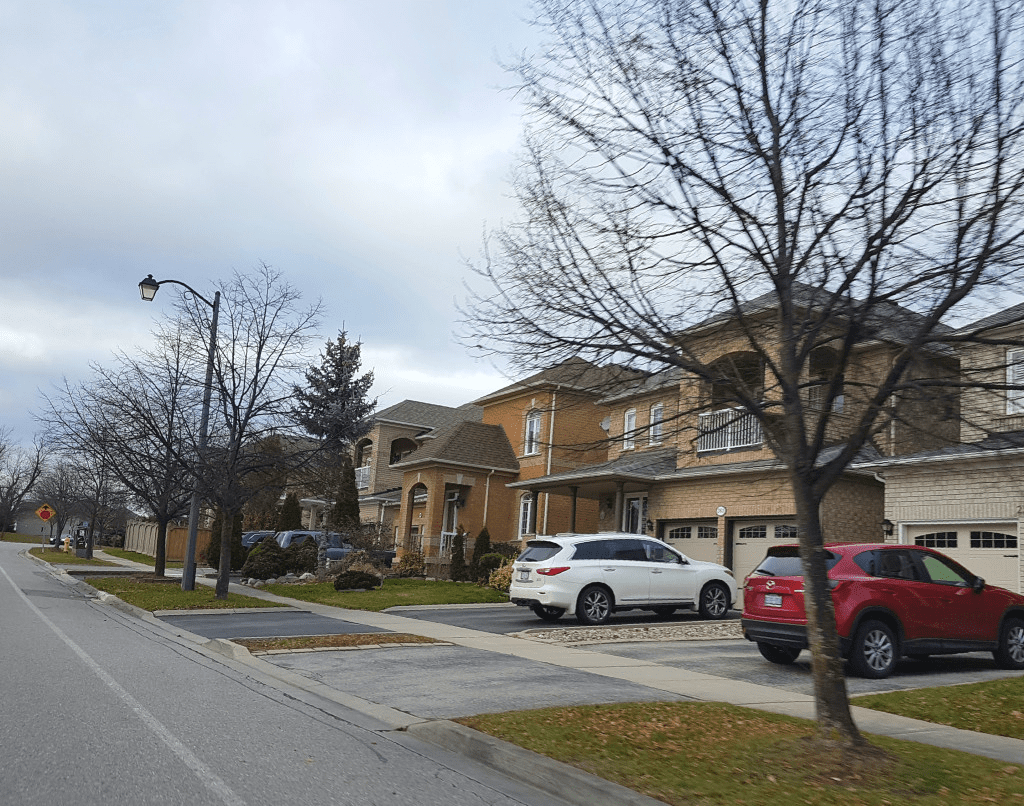
Before moving, Svitlana resided in downtown Kyiv. Currently, she lives in a private house in the suburbs of Toronto with her husband and children. The advantages of living in the suburbs include spaciousness, tranquility, and wider roads.
In downtown Toronto, most people live in apartments, which tend to be expensive and small, ranging from 50 to 60 square meters. Nevertheless, many still choose to buy them for their prestige and convenience. Walking to work or utilizing nearby public transportation is feasible, but owning a car is not cost-effective due to constant traffic congestion, often turning a 20-minute commute into a 2-hour ordeal.