

In Toronto, a city renowned for its multiculturalism, a wedding isn’t just a ceremony—it’s an art form that offers a unique glimpse into the history, culture, and modern traditions of the region. From classic, centuries-old church rituals to contemporary ceremonies held in stunning venues like castles, every couple can create a one-of-a-kind celebration of their love. Read on to learn more at torontonka.
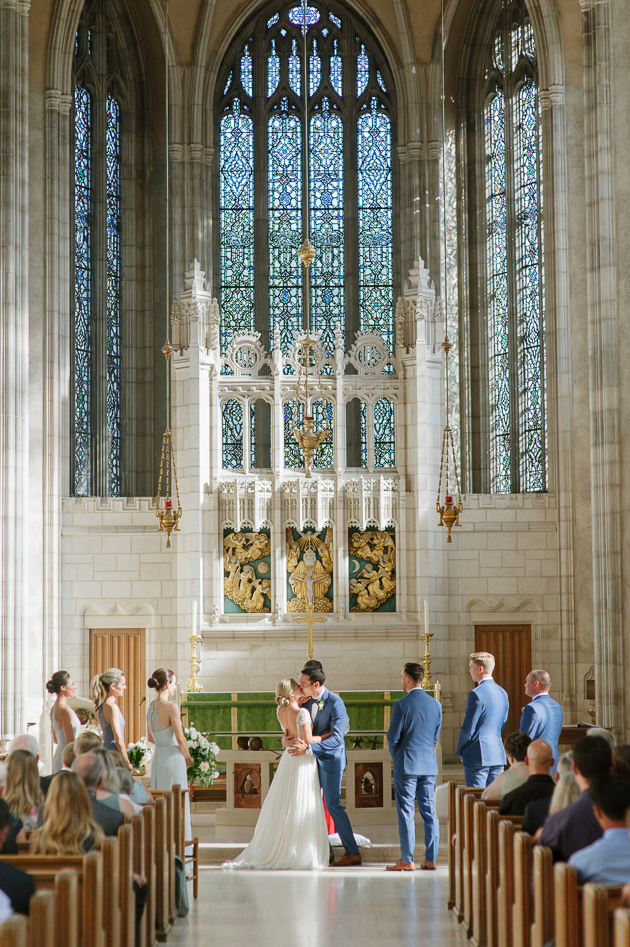
Over time, Toronto has offered couples more and more ways to make their special day truly unforgettable. One cherished tradition is the “warming of the rings,” where wedding bands are passed among guests for them to hold and infuse with their good wishes, adding a personal and meaningful touch to the ceremony. Many couples also choose venues that reflect their unique love story, whether it’s a historic building, a modern art gallery, or a scenic natural setting. This flexibility allows them to create an atmosphere that truly captures the essence of their journey. There’s so much more to discover, so keep reading.
A Look at the History of Toronto Weddings
Weddings in Toronto have a long and storied history that reflects the cultural shifts and influences of various communities over the centuries. In colonial times, when the area was a French and British settlement, wedding ceremonies took place mainly in churches, strictly following religious canons. For example, Catholic marriages included mandatory prayers, a priest’s blessing, and the exchange of rings in front of family and the community. Protestant rituals, which emerged as British influence expanded, were a bit simpler, with the couple reading from the Bible, exchanging vows, and celebrating with close family and friends.
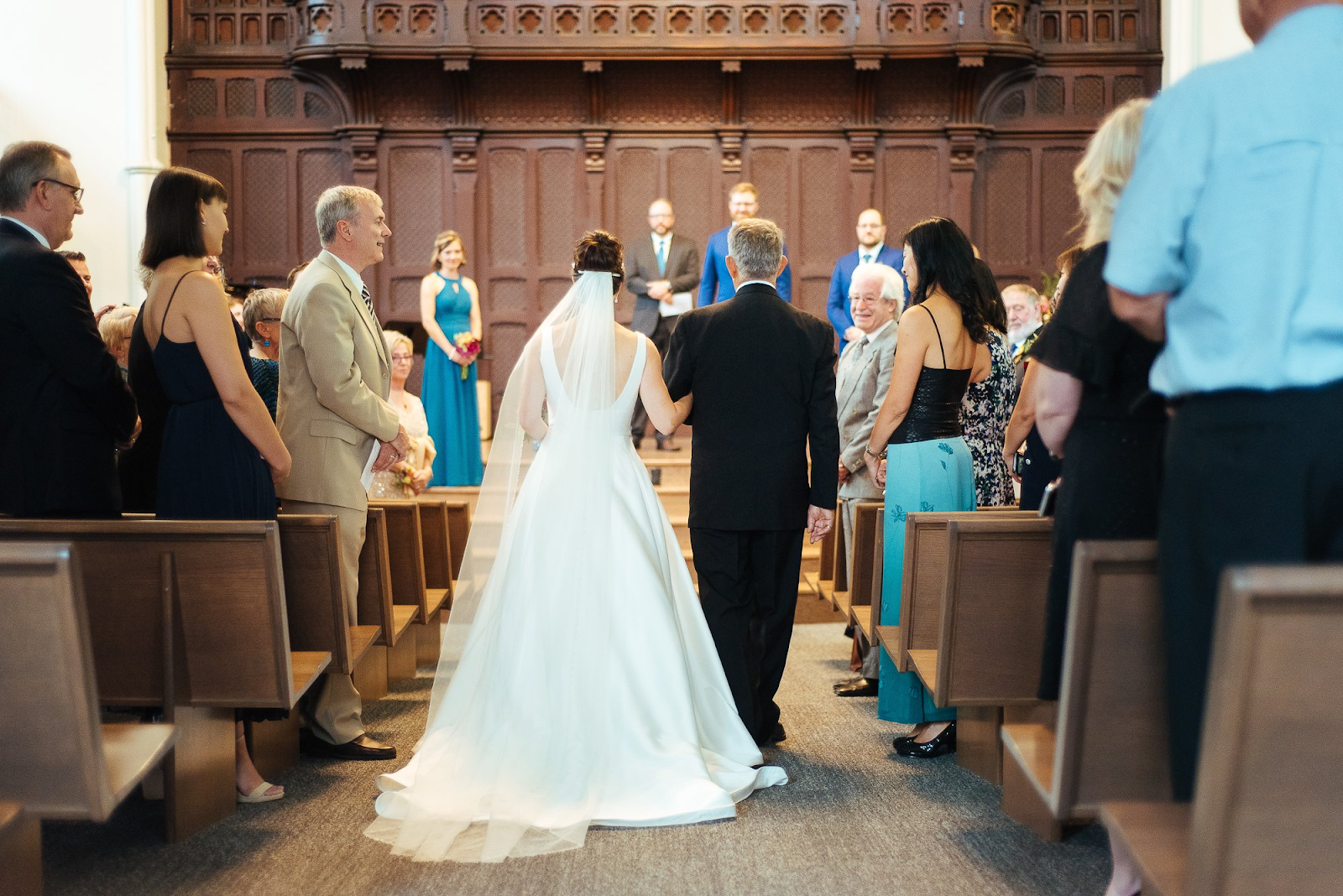
By the 19th century, the role of religious institutions grew, but so did the option for civil marriages, where couples could register their union with the city without a religious ceremony. This gave more people the flexibility to marry according to their beliefs or if they didn’t have access to a church. Yet, traditional symbols remained important during this era: crowns, the exchange of rings, blessings from family, and a celebratory feast. The main change was a growing focus on the celebration’s organization and hospitality.
Wedding rituals continued to evolve in the 20th century, especially after World War II, when immigrants from all over the world began arriving in Toronto. This led to the rise of multicultural ceremonies that blended traditional religious practices with new cultural elements. For instance, an Orthodox couple might hold a church ceremony but incorporate Ukrainian customs like the “korovai” wedding bread and “rushnyky” embroidered towels into their reception. Similarly, Indian and Muslim ceremonies enriched the wedding landscape with vibrant rituals like the “mangal-pandala” or the reading of the Quran, adding a unique and colourful touch to events.
Today, weddings in Toronto reflect the city’s rich history and cultural mosaic. While some rituals have changed, many symbols endure, and couples have the freedom to choose elements that align with their beliefs and preferences. As a result, wedding ceremonies have evolved from a mere formality into a beautiful, personalized tradition.
Modern Wedding Traditions
Modern wedding ceremonies in Toronto are a world away from those of a century ago. Today, couples want their ceremony to be unique while still honouring tradition. Many still include classic elements like exchanging rings, a blessing from a priest, or readings from religious texts. However, ceremonies have become more personalized. Live music often replaces a classic organ, vows are tailored to the couple, and floral arrangements are vibrant and creatively designed.
Outdoor ceremonies have also become popular, held in parks, by lakes, or on rooftops with a view of the city skyline. Sometimes, the official ceremony becomes an interactive experience, with guests taking part in symbolic rituals like a shared candle lighting or creating a time capsule for the couple. Intercultural weddings are also on the rise, blending elements from different traditions. For example, a European church ceremony might be combined with a colourful Indian celebration beforehand, or an Orthodox wedding might be followed by a reception featuring modern gourmet cuisine.
Technology also plays a significant role in modern ceremonies, with couples live-streaming their weddings for family abroad. Photography and videography have become an integral part of the event, sometimes even featuring drone footage with special lighting effects. In this way, Toronto’s wedding ceremonies have become a beautiful blend of historical tradition and creative, individual expression, making each wedding truly special for the couple and their guests.
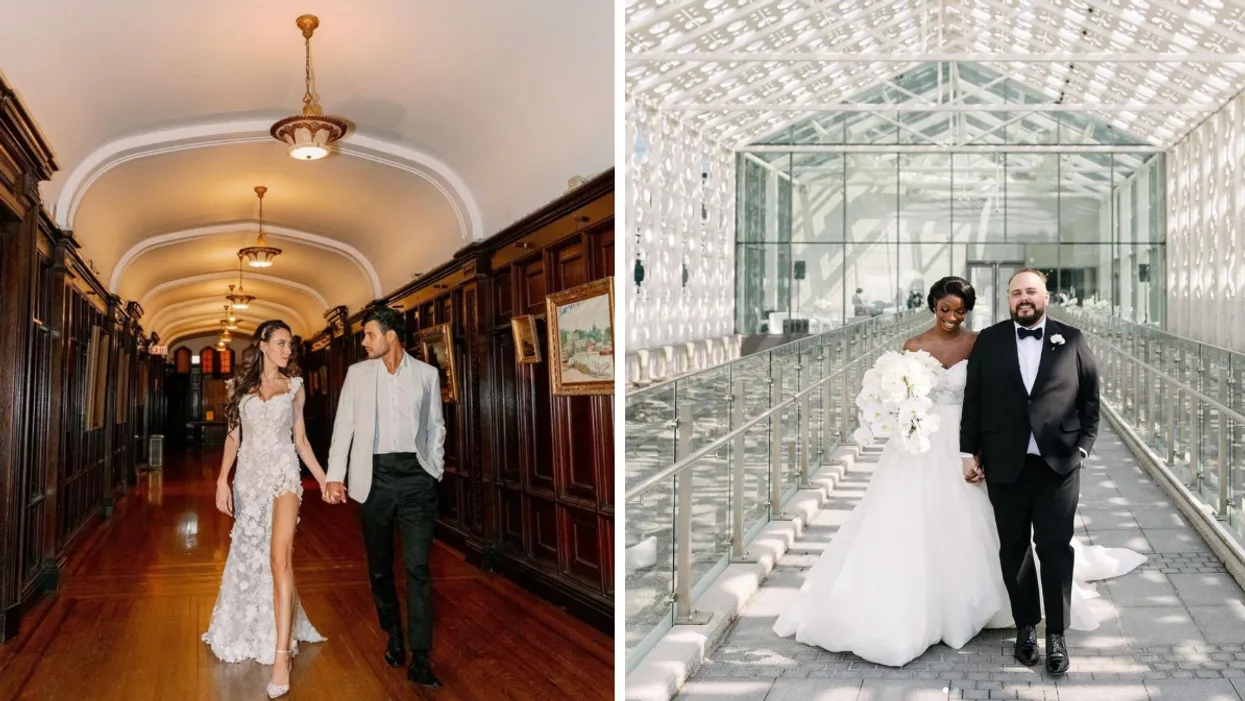
Cultural and Religious Aspects of Marriage
Toronto is a city of incredible cultural and religious diversity, and this is beautifully reflected in its wedding traditions. Each community brings its unique customs: Catholic couples adhere to the classic church ceremony with a priest’s blessing and the exchange of rings, while Orthodox couples honour their rich rituals with wedding crowns and hymns. Immigrant communities add even more variety: Ukrainian families might include “korovai” bread and embroidered towels, Hindu ceremonies feature vibrant saris and a sacred fire, and Muslim couples may have readings from the Quran and blessings from elders.
Some ceremonies become intercultural, with couples blending elements from different faiths to create a unique celebration where traditions intertwine and beautifully complement each other. This makes every wedding in Toronto special and truly representative of the city’s multifaceted identity.
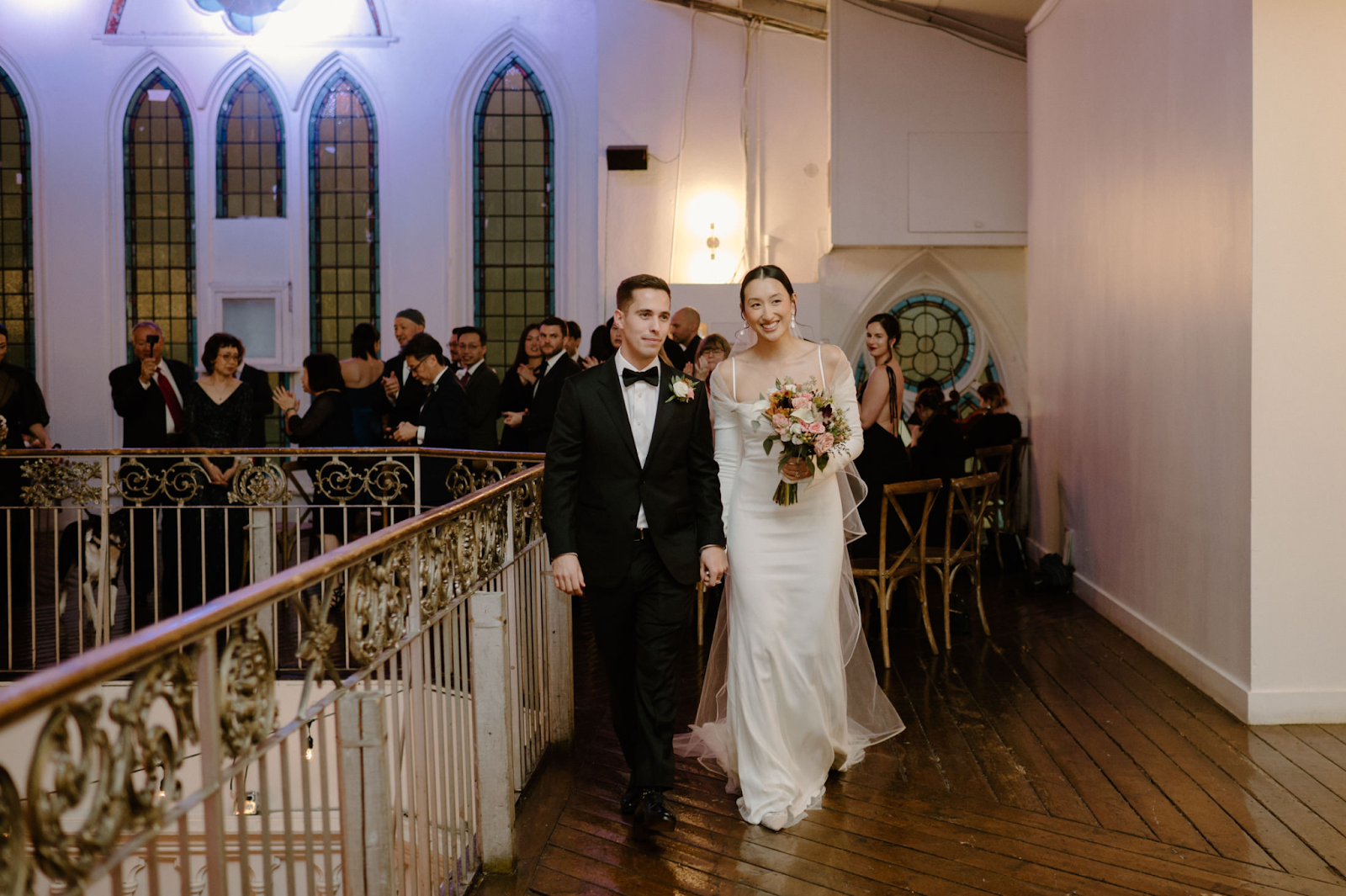
How to Plan the Perfect Toronto Wedding
Planning a wedding in Toronto can seem overwhelming, but with the right approach, it can be a smooth and enjoyable process. First, decide what type of ceremony you want: a classic religious one, an interfaith celebration, or a modern civil one. Second, your choice of venue is key—churches, temples, and synagogues are common, and there are even specially equipped halls. However, if you’re dreaming of an outdoor religious ceremony, it can be tricky. Not all priests will agree to an outdoor location, as for many Canadian clergy, marriage is a sacred sacrament that requires strict adherence to rules and traditions. While it’s not impossible to find a willing officiant, it can be a challenge. Still, you can always have the religious ceremony in a church and hold the rest of your celebration somewhere else.
Third, to ensure a stress-free day, book your officiant or wedding planner well in advance to clarify all the details of the ceremony. It’s important to discuss your attire, rings, music, and decor to ensure they match your chosen style and traditions. It’s also a good idea to consider your guests’ wishes, especially if they come from different cultural or religious backgrounds. Choosing a photographer and videographer is equally important, as you’ll want to capture these lifelong memories. Finally, don’t forget the paperwork: a religious ceremony often requires a marriage license or permission from the church, while civil ceremonies need to be registered at City Hall.