

The 1990s in Toronto were a decade of immense change and new ideas. Young people embraced a laid-back, casual style, wearing worn-in jeans, flannel shirts, and simple T-shirts. Their nights were spent at clubs and raves, soaking in the music and hanging out with friends. Everyone was talking about MuchMusic, the Canadian music channel that showcased music videos from local bands, dance shows, and early performances by Toronto hip-hop artists. Meanwhile, a movement of independent filmmakers emerged, telling stories about city life and the struggles of its residents. Young people were constantly searching for ways to express themselves, whether by frequenting gothic clubs with a focus on music and literature, catching indie rock and hip-hop shows in small venues, or creating unique looks from vintage finds. Each trend had its own vibe and character, which we’ll explore further here on torontonka.
Youth Fashion and Cultural Trends
The ‘90s in Toronto marked a gradual shift away from the bright, flashy fashion of the 1980s. Young people embraced a more comfortable and effortless style. For everyday wear, women often chose simple, straight-cut dresses, while men opted for T-shirts, jeans, loose-fitting shirts, and athletic wear. This clothing was perfect for exploring the city, meeting up with friends, or going to a concert. It was, without a doubt, a defining look of the era. You can learn more on torontonka.
Grunge fashion also became a powerful symbol of youthful protest. Flannel shirts, ripped jeans, and chunky boots reflected a rebellious spirit and a rejection of mainstream fashion. Clothing often signalled a person’s beliefs, values, and even musical tastes. For instance, if you stumbled upon a photo of a young guy from the ‘90s sporting the grunge look, you could bet he was listening to alternative rock or punk. This music, however, was also popular with regular students and creative types across the city.
Vintage clothing was also huge. Young people flocked to secondhand shops and thrift stores, especially in areas like Kensington Market and Queen Street. They weren’t just doing it to save money—it was a way to create a personal look and experiment with different colours and fabrics. This allowed everyone to stand out from the crowd and develop their own unique aesthetic.
Clubs and Media Culture
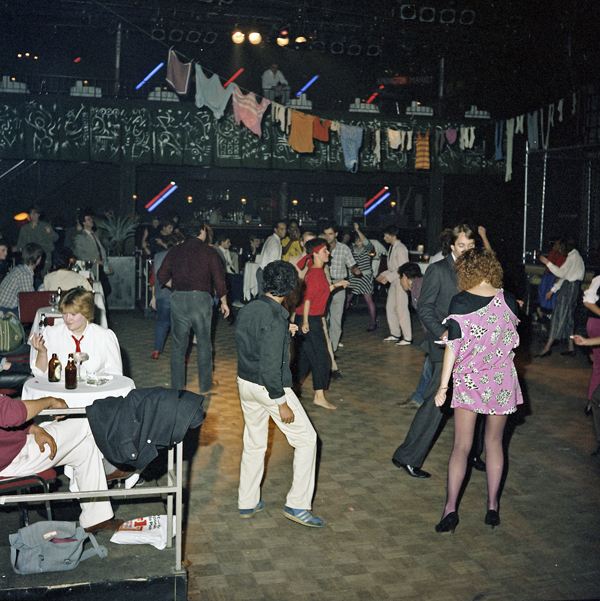
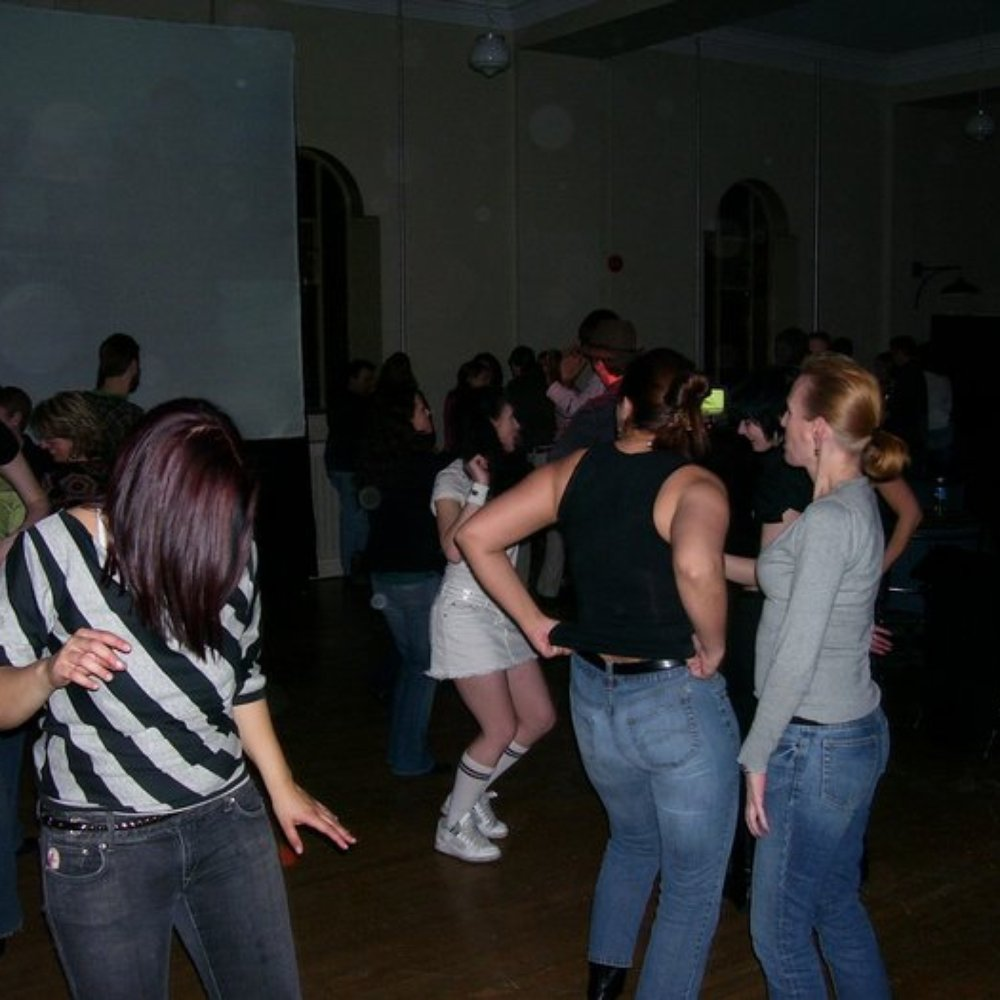
In the 1990s, Toronto’s nightlife became the epicentre of youth entertainment. Clubs like 23 Hop and Go-Go weren’t just for dancing; they were places to discover new music, enjoy DJ sets, and hang out with friends. Raves began popping up in warehouses, where young people experimented with new combinations of music, lighting, and visual effects. The atmosphere at these parties was electrifying: darkness, flashing lights, and a pulsating beat that let you forget your daily worries and get lost in the music. The Guvernment, for example, became a true symbol of Toronto’s nightlife. It had several rooms, each playing a different genre, from house and techno to the hugely popular R&B of the time. While top DJs set the mood, thousands of visitors came for the sheer energy of the dance floor and the feeling of complete freedom.
The TV show Electric Circus even featured these parties and DJ performances. Viewers tuned in to watch their peers dance, check out the fashion, and learn about local bands and events, all while getting ideas for their own social lives and personal style.
Film and Artistic Exploration
During this decade, Toronto became a hub for independent cinema in Canada. The “Toronto New Wave” emerged, bringing together young filmmakers who were eager to experiment with genres and themes. Directors like Patricia Rozema and Don McKellar created films that explored the everyday life of the city, human relationships, and the search for personal identity in a metropolis. Their films often had small budgets, which gave them an authentic, raw feel that resonated with audiences. They were natural, without excessive drama or contrived plots.
These films often touched on themes of alienation, complex relationships, societal norms, and finding one’s place in the world. Young audiences often saw themselves in these stories, while older viewers gained a deeper insight into modern life. Cinema became a vital outlet for the ’90s generation, allowing them to express their deepest thoughts and feelings, process their struggles through art, and explore issues that mattered to them most.
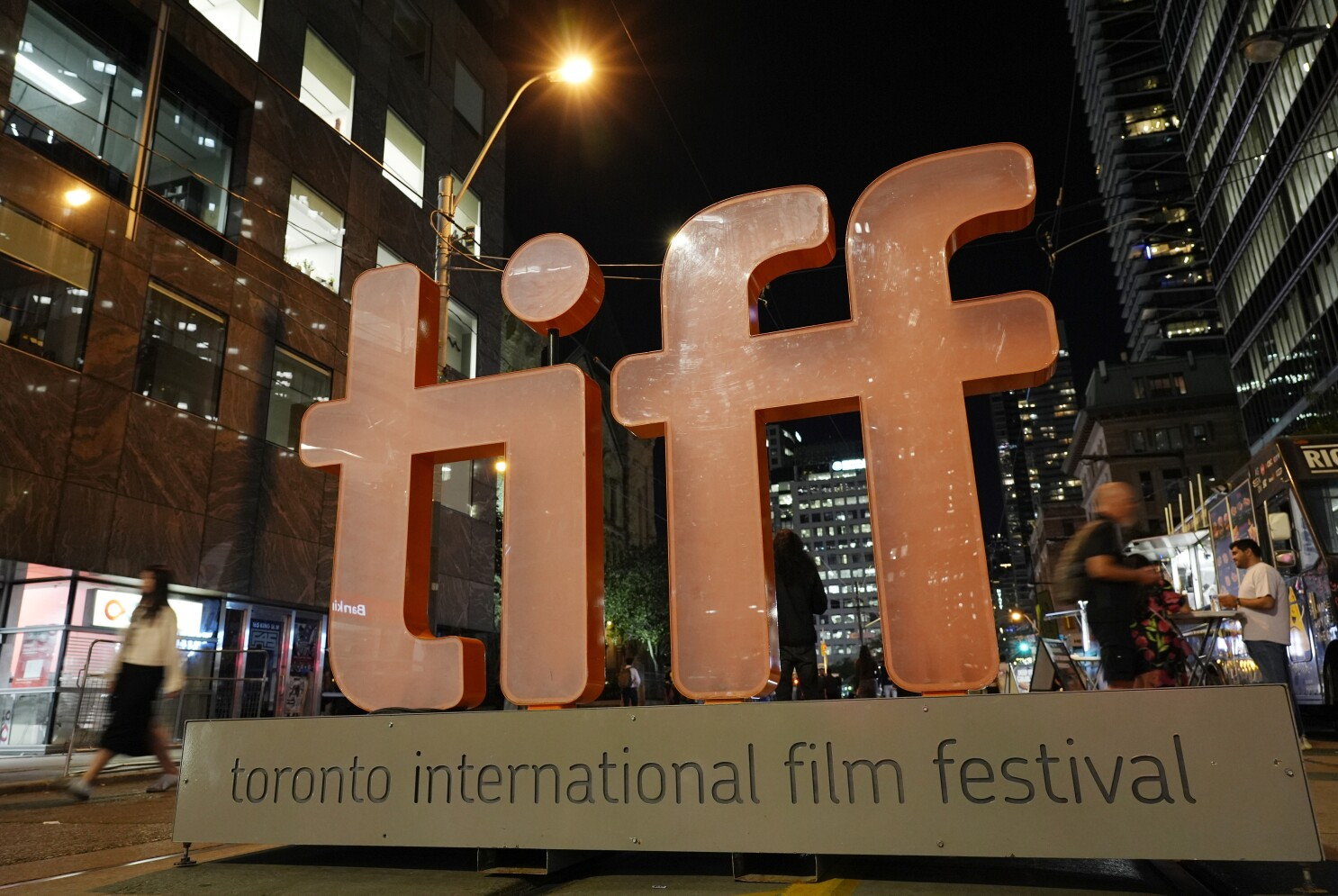
The Toronto International Film Festival (TIFF) played a key role in developing this scene. Not only did it showcase the work of local directors, but it also provided a forum for discussion, where filmmakers and critics could share their thoughts and advice. TIFF became a place where new ideas were born and cultural exchanges with other countries took place, cementing Toronto’s unique cinematic identity.
Subcultures and Other Trends
The youth of the 1990s wanted to break away from mass culture and express their individuality. The gothic community was one of the places where this happened. At clubs like Sanctuary, people gathered who were interested in dark music, literature, and aesthetics. Here, it wasn’t just about the style of clothing—black outfits, chunky boots, and metal accessories—but also about the accepting atmosphere where you could discuss and enjoy unconventional art, music, and literature.
At the same time, local hip-hop was on the rise. Artists like Dream Warriors and later Kardinal Offishall began performing in schools and clubs and quickly gained a following. Their music spoke about life in the city, the struggles of youth, and various social issues, which fostered a sense of unity and welcomed newness. Indie rock and alternative music also became increasingly popular. Small clubs and concert halls were almost constantly booked with young artists who were trying to write exciting new music, experiment with genres, and win over fans. Sometimes, even a single small performance was enough to spark another local trend.
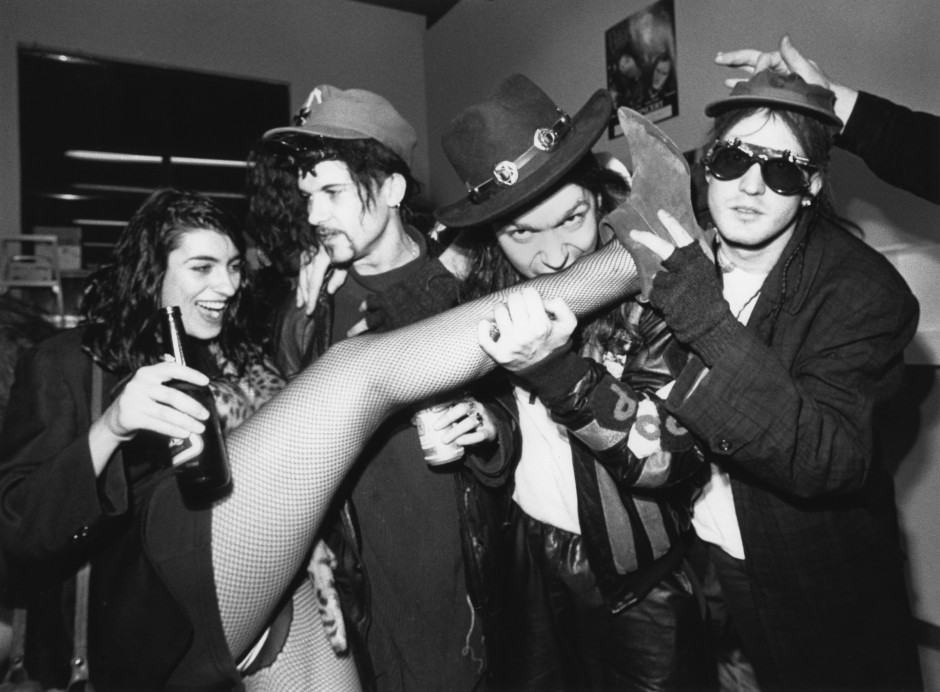
A culture of freedom was also taking shape in the city. Some gravitated towards goth culture, others immersed themselves in musical experiments or the rave scene, and many expressed their uniqueness through fashion and attitude. This decade showed that Toronto’s cultural scene was multilayered and dynamic, with the energy of its youth constantly giving rise to new and interesting trends.
Beyond fashion, clubs, film, and subcultures, other trends were also taking hold in Toronto. For example, electronic music and DJ culture were booming, and fans of local sports teams wore baseball and basketball gear. Street art and graffiti gave the city a distinct vibe and served as another way for people to express their individuality and creativity. Young people were also embracing new technologies, video games, and media. Cafes and art spaces began opening more frequently to meet a huge demand. In short, the residents of Toronto in the ’90s were incredibly diverse and determined to challenge the old norms and labels of previous generations.