

Holidays have always been an important part of life for Torontonians. In the 20th century, the city changed rapidly, and with it came new ways for people to celebrate and entertain themselves. Initially, the main events were parades, fairs, and exhibitions that drew crowds to downtown Toronto and the waterfront. Later, as more and more immigrants arrived in Canada, the city’s calendar filled with new holidays—vibrant, lively, and completely different from traditional British celebrations. In the second half of the century, iconic celebration spots that Torontonians still recognize today began to take shape: the squares by City Hall, large parks, and bustling streets. It was in these places that you could witness the city’s history unfolding. More on torontonka.
Public City Festivals in Parks and Along the Waterfront
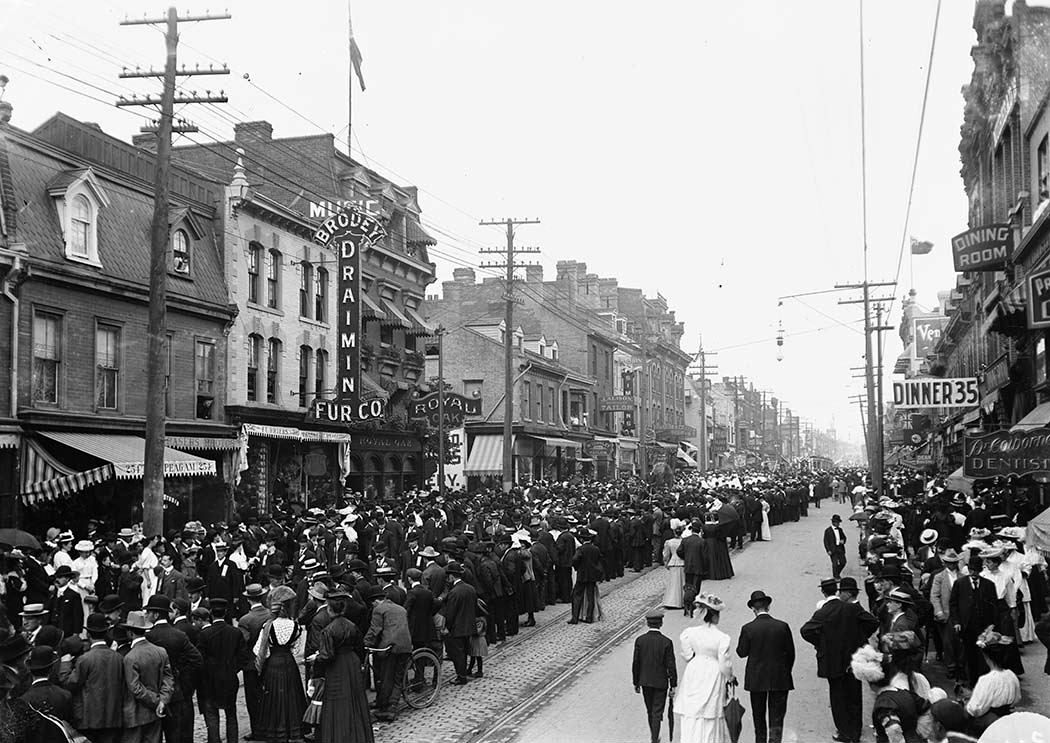
Throughout the 20th century, parks and the lakefront were the primary spots for celebrations in Toronto. In the summer, families would gather in High Park for picnics, listen to brass bands, and watch open-air theatre performances. The park also hosted regular summer flower festivals, showcasing rare plants and holding competitions for the best floral arrangements. On major holidays, temporary stages would pop up on the lawns, while street musicians and ice cream vendors filled the pathways. Dance evenings were also organized for young people, drawing hundreds of residents. Riverdale Park played a similar role, where residents from the east end organized baseball and soccer tournaments, staying for concerts after the games.
The Lake Ontario waterfront was also especially important. On Dominion Day, and later Canada Day, thousands of people would gather here. They watched military parades, listened to municipal orchestras, and waited for the fireworks, which magically lit up the water. Additionally, boat races on Lake Ontario began in the 1940s.
One of the most beloved spots was Sunnyside Amusement Park, a popular complex in the 1920s and 1930s with a beach, dance pavilions, and rides. For young people, it was the symbol of a festive evening out—a place to ride a carousel, go dancing, or meet up with friends.
An equally important event was the annual Canadian National Exhibition (CNE) at Exhibition Place. Lasting several weeks, it felt like one massive festival. Here, you could see the latest technological innovations, taste foods from around the world, ride the Ferris wheel, and watch spectacular parades. For many Torontonians, a visit to the CNE was a summer tradition passed down through generations. This may have been because, in the 1980s, the event began incorporating light and sound installations, as well as inflatable rides, making it more spectacular and captivating than ever.
The Spectacle of Parades and Processions
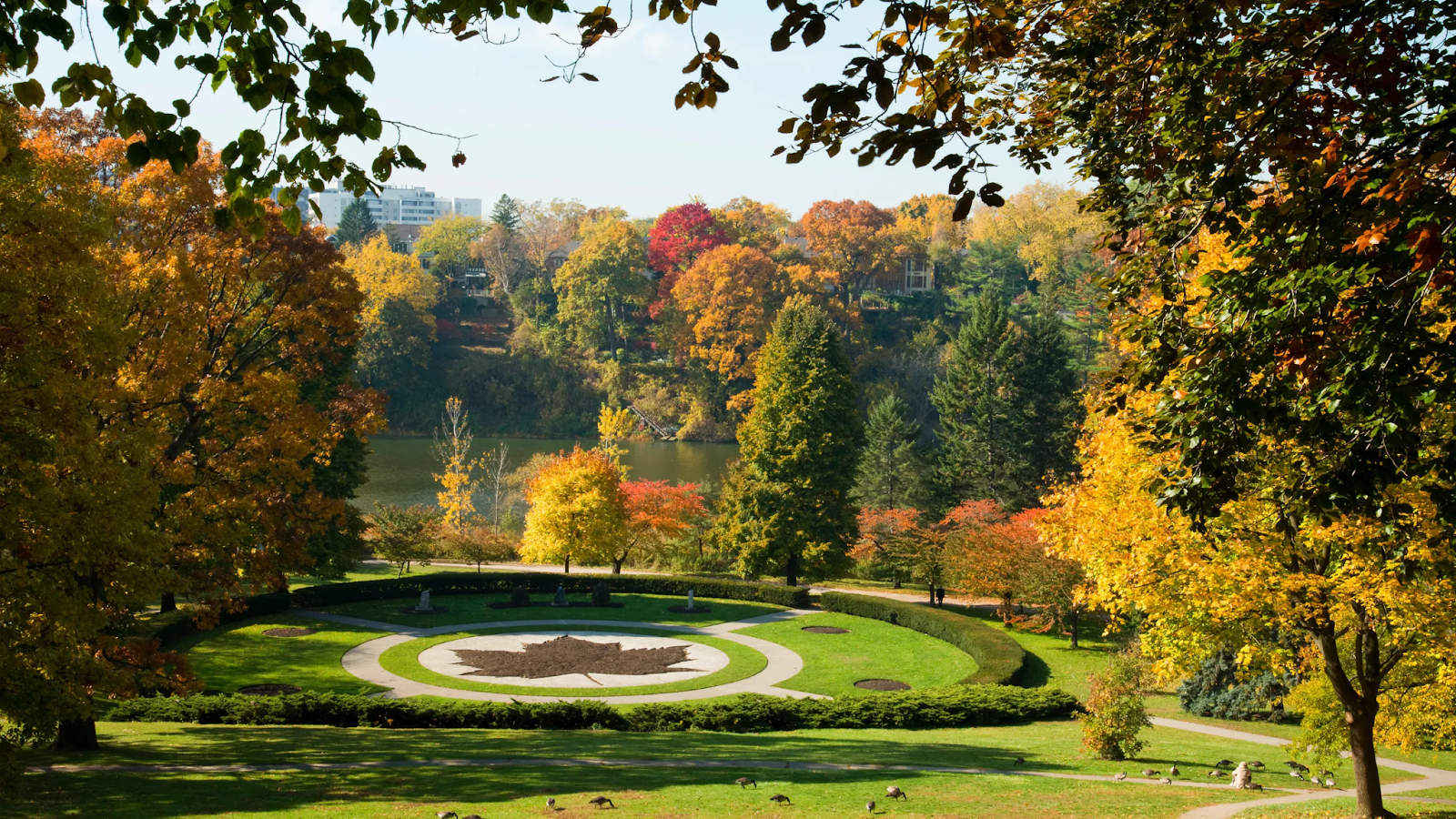
In the 20th century, huge crowds also gathered for parades and processions, which created a powerful sense of unity and joy. The most famous example is the Santa Claus Parade, started in 1905 by the Eaton’s department store. Every year, thousands of children and adults would line the downtown streets to see the decorated floats, marching bands, and the main star of the show—Santa himself, who would greet everyone at the end of the procession. For many families, this parade marked the official start of the winter holiday season.
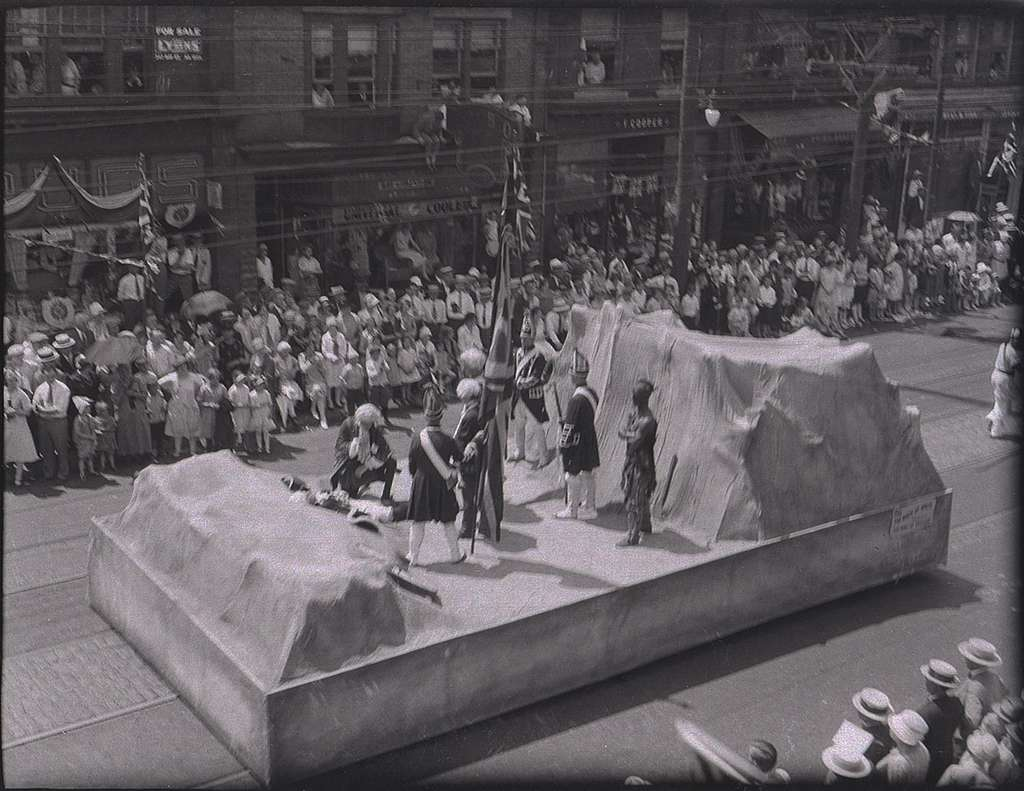
Military parades were just as impressive. After the First and Second World Wars, they held special significance. Veterans marched down the main streets as city residents gave them standing ovations. These events not only honoured heroes but also fostered a sense of pride in the city and country.
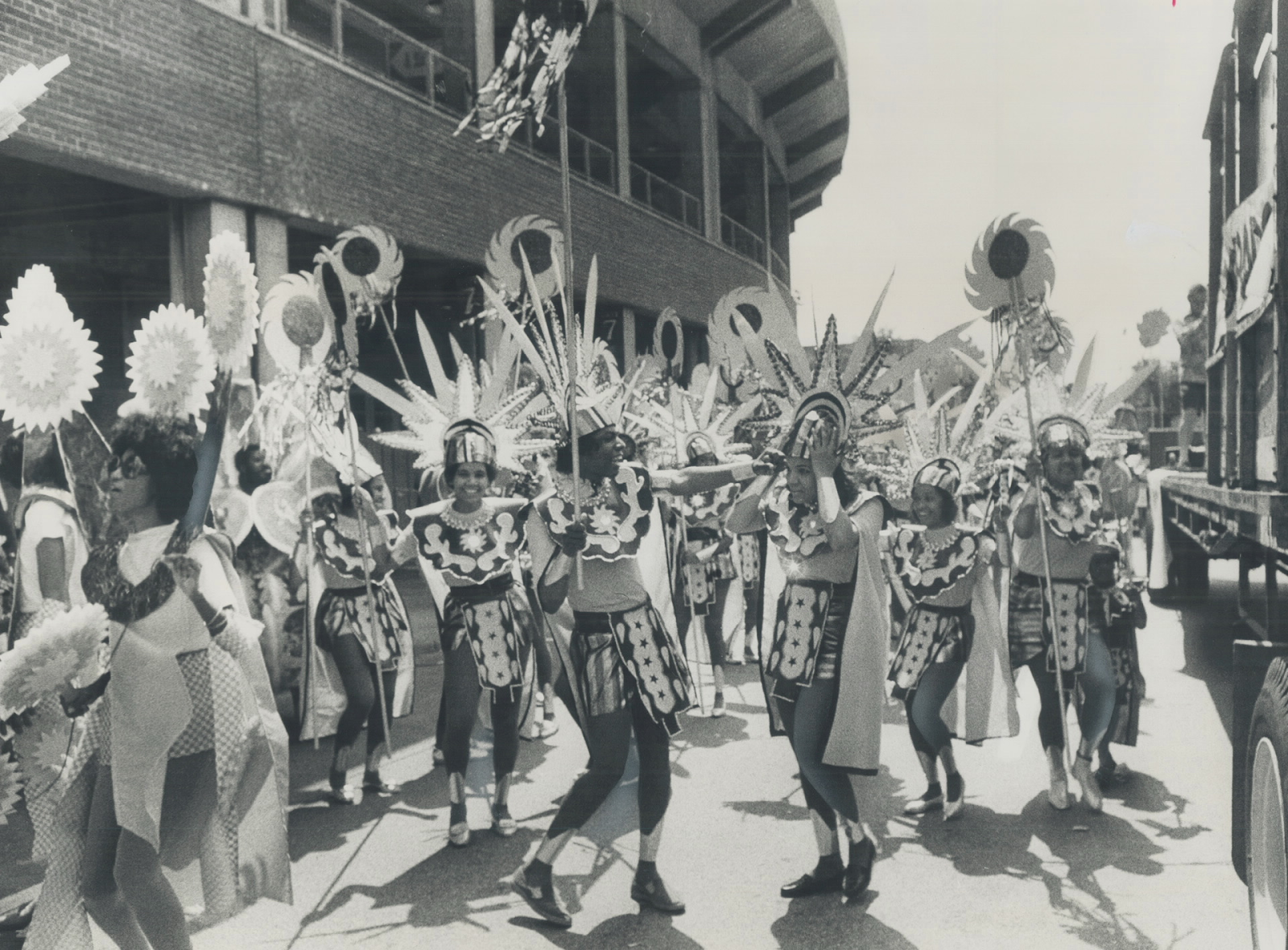
Toronto’s cultural diversity was also reflected in its festive processions. In the mid-20th century, many immigrants from Europe, the Caribbean, and Asia arrived in the city, leading to the creation of new parades. For instance, the Caribana Festival, founded in 1967, quickly became a symbol of summer celebration. Its colourful costumes, Caribbean music, and dancing transformed the streets into a massive carnival that attracted not only locals but also visitors from other Canadian cities.
Multicultural Festivals in the Latter Half of the Century
As Toronto became home to people from the Caribbean, China, Portugal, Greece, and Ukraine, a new tradition of outdoor cultural celebrations was born.
One of the most vibrant examples was the Chinese New Year celebration in Chinatown on Spadina Avenue. Here, traditional lion dances, drumming, and street fairs drew hundreds of spectators. Local restaurants and shops were decorated with red lanterns, while children received red envelopes with symbolic gifts.
The Ukrainian community on Bloor Street also launched its own festivals. Every year, they hosted the Ukrainian Festival, where you could taste national dishes, listen to folk music, and watch energetic Ukrainian dancing. Events like these helped solidify the city’s reputation for hospitality, making everyone feel like a part of Toronto’s culture while bringing their own ideas to life.
Other immigrant communities became famous for their celebrations as well. Nearly every Torontonian knows about Portugal Day in Little Portugal, the Taste of the Danforth in Greektown, and the parades held by African and Latin American communities. They all filled Toronto’s streets with music, bright colours, and laughter.
New Civic Rituals at the End of the Century: Squares and Commemorations
In the second half of the 20th century, new urban spaces emerged in Toronto that became centres for celebrations and public rituals. The opening of New City Hall and Nathan Phillips Square in 1965 transformed the square into the city’s main stage for festivities. It hosted the annual Cavalcade of Lights ceremony and featured a public skating rink that drew thousands of delighted city residents every winter. This became a beloved holiday tradition, creating a festive mood and capturing the true atmosphere of the season.
Another type of ritual was organized around commemorative dates. The annual November 11th ceremonies at the Old City Hall cenotaph became an important tradition for honouring veterans. Residents would come with flowers, listen to military bands, and watch the march of honour guards. Such events united people around a shared historical memory and forged a sense of community.
Squares and community centres were also used for cultural and musical events. For example, Nathan Phillips Square began hosting open-air concerts by local and international artists, Canada Day celebrations, and arts festivals. At the same time, these new public venues in the city centre allowed immigrant communities to hold their own cultural events, which had previously been difficult due to a lack of space.
As a result, by the end of the century, Toronto had not only its traditional festive spaces, like parks and the waterfront, but also new city squares and centres. These spaces reflected the city’s diversity, modernity, and the desire of its residents to blend old customs with new forms of public life, showcasing Torontonians’ love for quality recreation and their serious commitment to developing the city’s culture.