

Creating art is not only fun and enjoyable but also incredibly beneficial. If you’ve read about art therapy, you’re likely familiar with its advantages. It can help people of any age who are recovering, healing from grief or psychological trauma, or experiencing challenging life changes. Art therapy stimulates creative thinking and enhances brain plasticity. Think about how doodling during a tense or lengthy phone call helps you manage inner anxiety! Let’s take a deeper look at this science and the benefits of art therapy. This article explores the Art Therapy Institute and ways to try this practice in Toronto. Read more on torontonka.
What is Art Therapy?
Simply put, art therapy is the use of visual arts in a therapeutic context. Instead of using words, a person channels their feelings into shapes, colors, and textures. It doesn’t matter what you use to create—clay, paints, journaling, collage, mosaic—these are all easy ways to express oneself. The key is to feel comfortable and enjoy the process rather than feeling pressured!
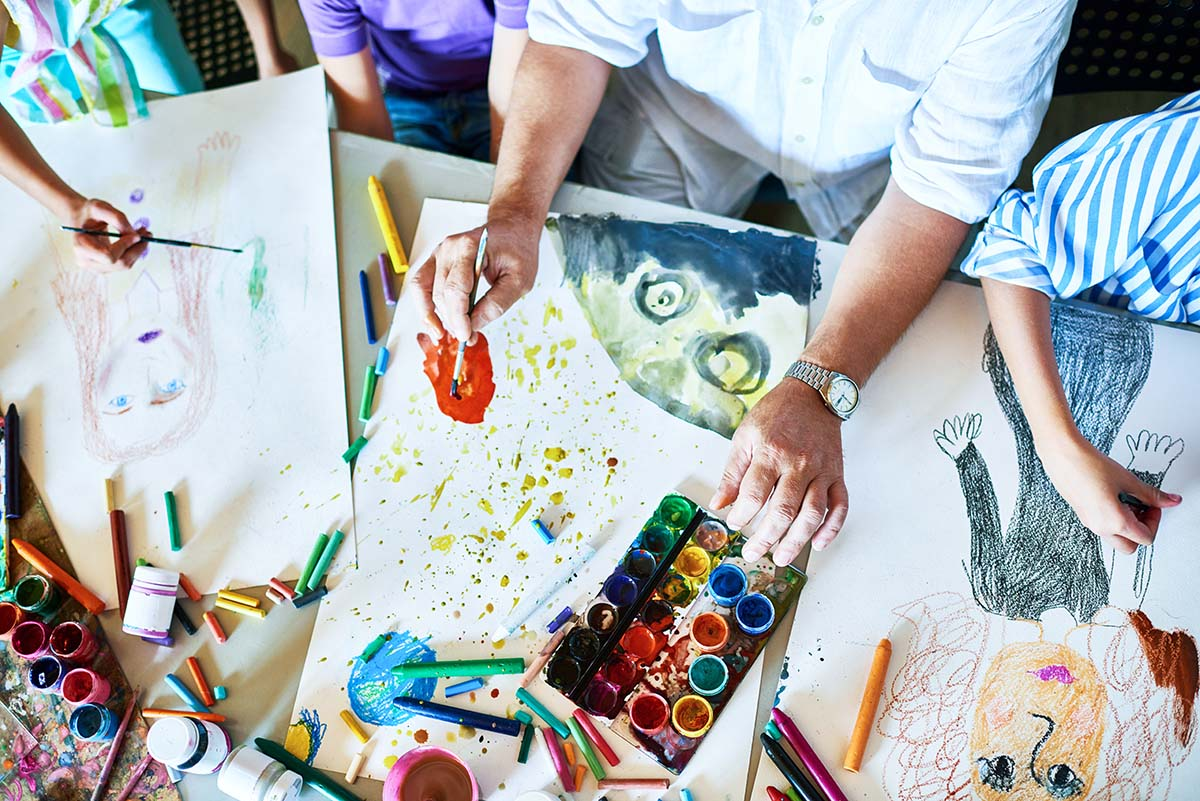
It might seem surprising, but practicing art therapy in Toronto doesn’t require experience, skills, education, or working with a specialized art therapist! This is the core concept: everyone is creative! This simple method of managing emotions and expressing them through any form of art is a universal skill. Art therapy is suitable for children and adults alike, offering stress relief, self-esteem boosts, relaxation, and recovery from crises or trauma.
What is Art Therapy Best Suited For?
This psychotherapeutic method offers profound benefits to Toronto residents. Studies show it helps reduce anxiety, fosters innovative thinking, improves self-esteem, and stimulates neuroplasticity—the brain’s ability to develop neural connections and adapt throughout life. Picking up mosaic tiles, a brush, or pencils does more than just create art. First, it helps release a lot of dopamine, a “feel-good” chemical that significantly enhances well-being and inspires new ideas and achievements. High dopamine levels also aid in lifelong learning. Here are some additional benefits of art therapy:
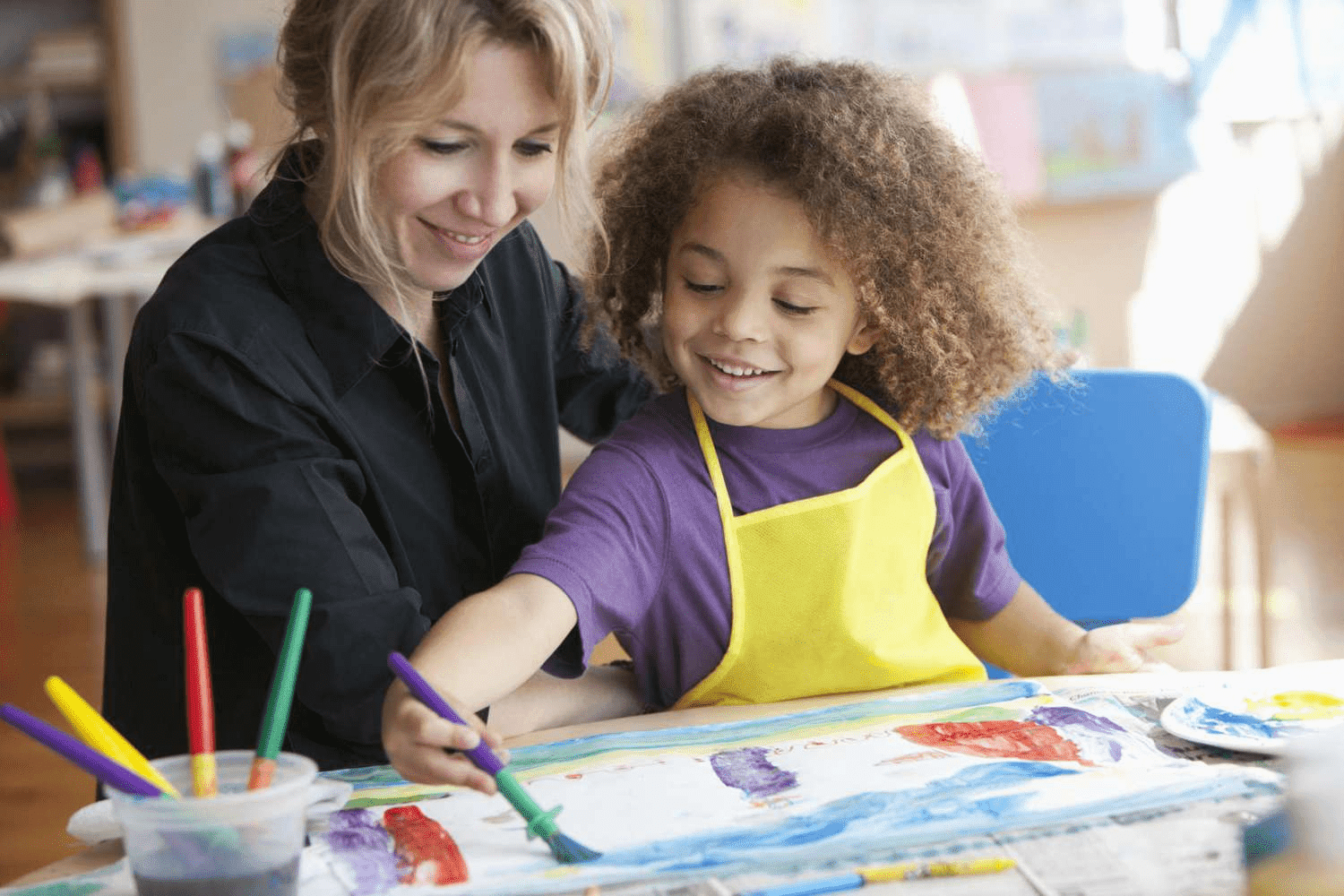
- Emotional Release: Sometimes, it’s too difficult to express complex emotions in words alone. Art can serve as an outlet for feelings that are hard to discuss.
- Stress Reduction: Dealing with depression or other psychological trauma can add stress to daily life. Creating something bright or gentle brings calm and a more relaxed state.
- Self-Discovery: Art promotes self-awareness. As you focus on a creative project, your subconscious may reveal new ideas and thoughts.
- Boost in Self-Esteem: Seeing something grow and take shape in your hands strengthens confidence and inspires you to try something new.
How to Start Art Therapy in Toronto?
Guided art therapy with a licensed professional is just one way to explore this practice in Toronto. Some may prefer this calming activity in a group setting, while solo projects are equally effective in fostering healing. Most importantly, you express emotions through art!
Toronto often hosts one-day events where anyone can participate in art therapy under the guidance of certified practitioners. These sessions sometimes include music, making it even easier to relax.
Rachel Mae Robbins is a prominent figure in organizing such events, a professional art therapy practitioner and a former art psychotherapy student at the Canadian International Institute of Art Therapy (CiiAT). She also works as an Associate Manager at Nova Dance and was formerly the Director of Education. With fifteen years of experience managing art-based educational programs in Toronto, Rachel has established an art therapy practice that encourages growth, creativity, and healing.
The Toronto Art Therapy Institute: Education
The Toronto Art Therapy Institute (TATI), founded in 1968, offers Canada’s first formal art therapy training program. They offer a Diploma in Art Therapy (DTATI) in two program formats (on-campus and distance learning). Through a comprehensive approach that integrates creative practices with psychotherapy theories and skills, TATI prepares students to work with individuals, groups, adults, children, youth, seniors, couples, families, and diverse communities. TATI’s curriculum is delivered by art therapists, psychiatrists, and scholars who contribute valuable expertise and a commitment to ethical practice and social transformation.
The program is unique in its focus on art and self-reflection, grounded in practical research and the application of theory. TATI students and faculty (teachers, supervisors, and research consultants) collaborate to foster a supportive learning environment in classrooms and beyond, contributing to knowledge production and capacity-building. This environment supports professional advancement, personal growth, and community well-being in Toronto and across Canada.
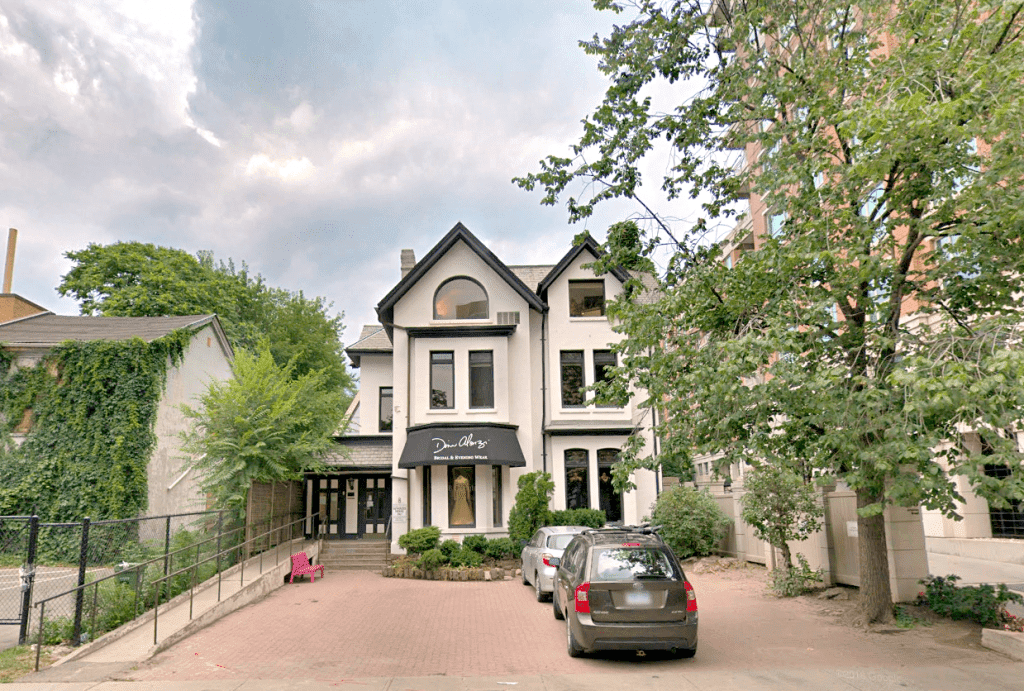
The TATI Diploma in Art Therapy is recognized by the College of Registered Psychotherapists of Ontario (CRPO) for both academic and clinical training (practicum). Completing TATI’s program meets the educational requirements for CRPO registration. Additional information about CRPO application and registration requirements is available on TATI’s official website. TATI’s programs are also approved by the Canadian Art Therapy Association (CATA), allowing students to join CATA as student members and apply for professional membership after graduation. Upon meeting additional criteria, professional members may also pursue registered status with CATA.
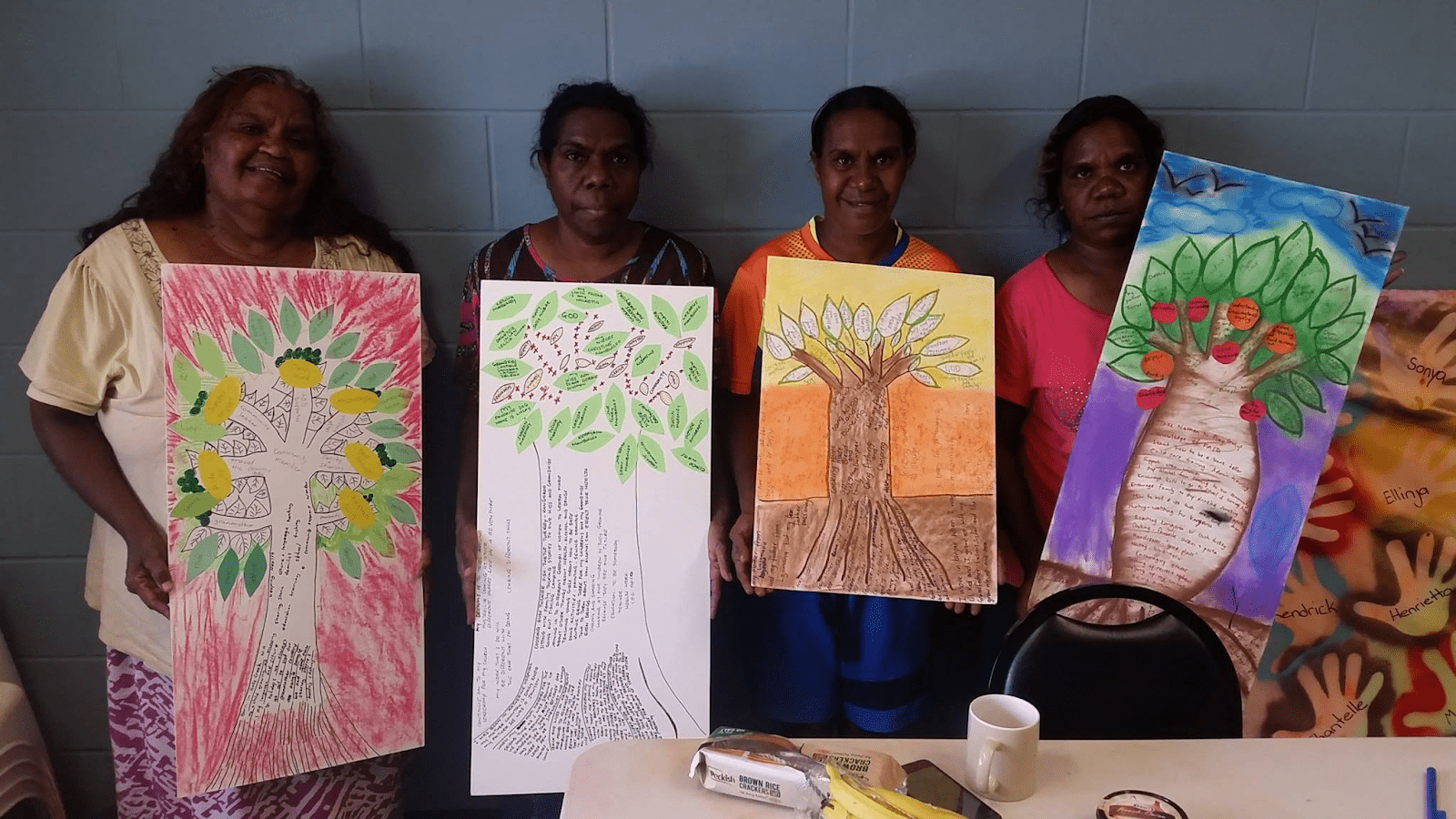
As a community of learners and educators, TATI is committed to anti-colonial, anti-racist, and anti-oppressive approaches in both educational and therapeutic practice. TATI supports individual and collective healing with and within diverse communities, while emphasizing the experiences and perspectives of Indigenous, Black, and racialized communities, and those marginalized by colonial structures.