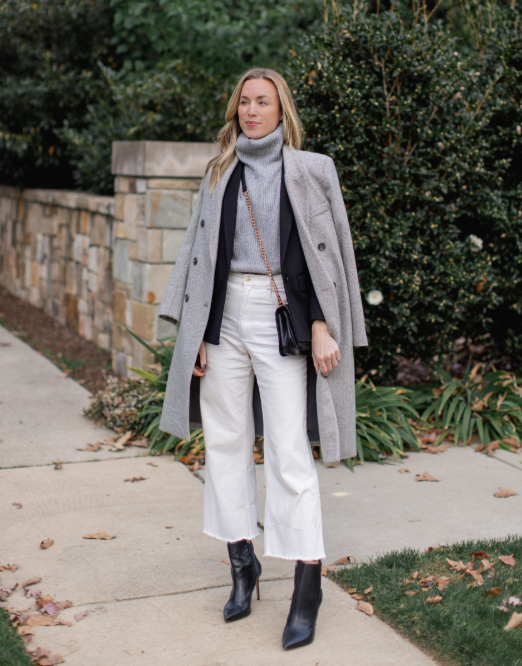

Toronto has its own unique character that every local recognizes instantly. It’s that exact moment when you step out of Union Station or turn off Yonge onto Bloor, and a biting wind from frozen Lake Ontario instantly blows away all your morning elegance. Winter life here is a constant balancing act between icy sidewalks, overheated TTC subway cars, and the underground PATH labyrinth where the temperature swings every ten minutes. In these conditions, traditional approaches to winter dressing fail, forcing you to choose between a bulky duvet coat and proper thermoregulation. True urban style, however, demands no compromises. It’s an art where every layer works to keep you comfortable, turning a harsh climate into a stylish challenge—as torontonka details below.
The secret to conquering the winter chaos comes from Northern Europe. The Scandinavian layering system isn’t about piling on endless clothes until you become a shapeless cocoon; it’s a well-thought-out wardrobe built on the principle of “air pockets” and sustainable slow fashion.
Warmth from the Ground Up: The Thermoregulating Base Layer
Everything begins with the right foundation—one that wicks moisture away from the body and traps heat without adding bulk. Because your feet get cold first and quickly chill your entire body, a pair of quality merino wool socks is an indispensable winter staple.
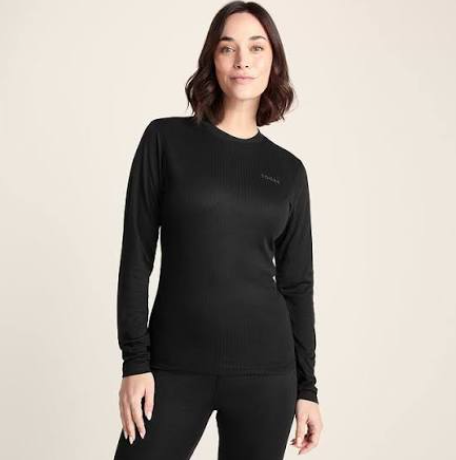
Next comes a lightweight base layer made of the same merino wool or pure silk. It insulates perfectly, lets your skin breathe, and keeps you feeling fresh all day. If you need a seamless, invisible option under tailored or body-hugging clothes, a seamless synthetic top or thermal underwear will do the trick, staying completely smooth without bunching up.
Choosing the Right Footwear
No winter outfit in Toronto is complete without a solid, dry foundation. Local winters are tricky: it’s not just the freezing cold, but also slush-filled intersections and aggressive road salt. To stay stylish without sacrificing practicality, opt for footwear with waterproof membranes (like Gore-Tex) or durable treated leather set on heavy-duty non-slip lug soles (Vibram or Ice Grip). And to stop salt stains from ruining your favorite boots, make it a nightly habit to apply water-repellent protectants and clean them with dedicated salt-neutralizing sprays.
Don’t forget a game plan for freezing rain. On days when Toronto gets hit with freezing rain and the sidewalks turn into an ice rink, even the deepest Vibram tread can slip. For these extreme conditions, locals keep compact slip-on ice cleats (crampons or ice grips) in their bags. They slip onto any footwear in seconds and come off just as easily before stepping into a dry subway station or shopping mall.

Absorption and Insulation: The Mid-Layer
Once you have a quality base, the second and third layers come into play. Their job is to absorb any residual moisture, store your core body heat, and create a sharp, dimensional silhouette that looks intentional rather than accidental.
- A lightweight cotton or modal long-sleeve tee acts as your first buffer, easily managing moisture that pure synthetics sometimes struggle with.
- A soft cashmere sweater or relaxed-fit heavyweight wool jumper creates the primary warmth pocket around your torso, maintaining a comfortable personal microclimate.
- An insulated vest or tailored fleece jacket adds an extra layer of core warmth on sub-zero days, slipping effortlessly beneath your outerwear.
- A structured, oversized blazer in dense wool delivers clean architectural lines, effortlessly upgrading casual knitwear into a polished business look.
- Relaxed-fit jeans or heavy-duty cargo trousers shield your legs from cutting crosswinds while balancing out the volume up top.
- A crisp cotton button-down peeking out from under a cashmere sweater—with cuffs and collar on display—adds dynamic texture without sacrificing precious body heat.
The Protective Shell: Adaptive Ventilation and Outerwear
Before stepping out into the freezing cold, it’s vital to build a windproof shield while keeping things easy to adjust when transitioning from the outdoors into a crowded, heated subway car.
- A technical jacket or parka with drawstrings at the waist and hem lets you fine-tune your microclimate in seconds: cinch them tight at the bus stop to block the wind, and loosen them indoors to prevent overheating.
- A high stand collar and snug ribbed storm cuffs act as secure barriers, locking out icy drafts at your body’s most vulnerable points.
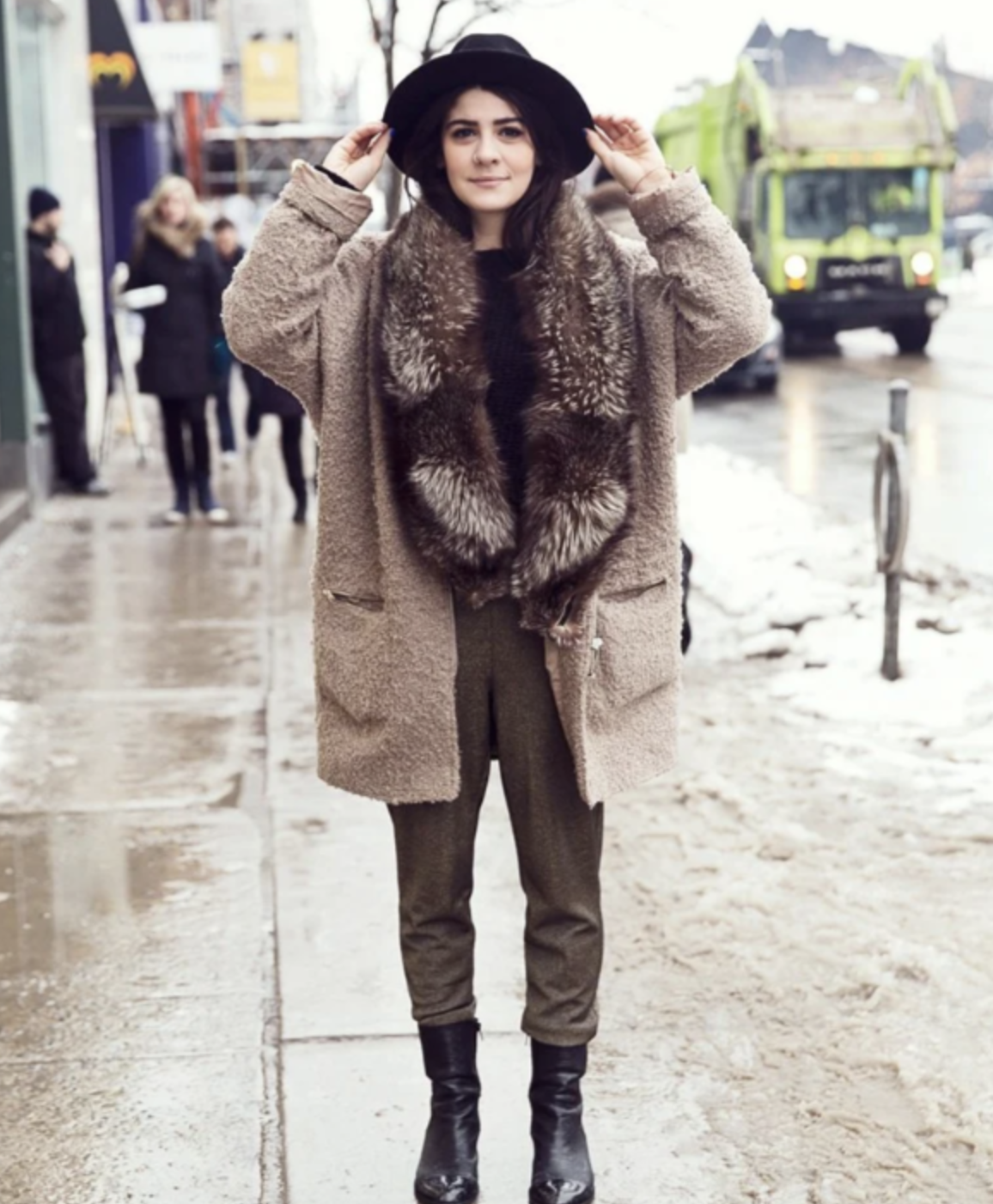
- A long wool or cashmere coat with a straight or oversized silhouette covers your legs nearly to your ankles, shielding you from lakeside drafts—unlike cropped puffers—and instantly tying your look together with classic city polish.
- An oversized cashmere or alpaca blanket scarf doubles as a plush textural layer you can bundle snugly around your neck or drape over your coat like an elegant shawl.
- A dense merino wool beanie or cuffed knit cap provides essential ear protection against biting gusts, helping maintain your body’s overall heat balance.
- Leather or suede gloves with a cashmere lining block out damp chills while keeping your hands toasty and adding a refined finishing touch to any outerwear.
When the wind off Lake Ontario knocks another 10 degrees off the wind chill, the little things matter. Sunglasses in winter aren’t an indulgence; they protect your eyes from blinding snow glare and harsh winds. And for the ultimate “invisible layer,” finish off with a rich barrier facial cream and a nourishing lip balm to keep dry air from sapping your skin’s moisture on long walks along the waterfront.

Wind Defense and Tech-Friendly Essentials
When wind speeds off Lake Ontario top 30 km/h, a standard beanie won’t cut it. On days like these, balaclavas, balaclava hoods, and knit snoods are true lifesavers: they completely shield your neck and cheeks from gale-force winds without flattening your hairstyle the way tight beanies do.
Another winter essential in Toronto is staying connected on the move. Pulling off a bare hand in freezing temps at a TTC stop to check the bus schedule or take a call drains all your warmth instantly. That makes touchscreen-compatible gloves or convertible flip-top mittens non-negotiable must-haves for scrolling freely without freezing your fingers.
Navigating the PATH Microclimate: The Art of the Quick Unzip
One of Toronto’s biggest winter curveballs is stepping from -15°C wind chills into the underground PATH network, where the air stays a steady +20°C. This is where layering gets put to the test: your outerwear should feature two-way zippers, underarm vents, or built-in internal shoulder carry straps that let you wear your unzipped parka like a backpack. Scarves and gloves should tuck into your bag or deep pockets in seconds so you don’t break a sweat on a 15-minute sprint through the Financial District.

Indoor Shoe Etiquette: The PATH Office Code
Life in Toronto comes with its own practical realities: spending an entire workday in a well-heated office wearing heavy, salt-stained Gore-Tex boots is neither comfortable nor healthy for your feet. That’s why the city has an ingrained tradition of indoor office shoes. Keeping a pair of lightweight loafers, ballet flats, or clean derbies under your desk to swap into as soon as you emerge from the PATH is gold-standard business etiquette in Toronto, preserving your polished aesthetic and keeping you comfortable all day long.
Investing in an Intentional Wardrobe: Where to Look and What to Buy
The Scandinavian mindset is more than a clever trick for surviving sub-zero weather; it’s a lifestyle rooted in slow fashion and intentional consumption. Rather than buying armfuls of fast-fashion pieces each season that lose their shape after one wash, it pays to build a capsule of versatile, high-quality staples made from natural fibers that will last for years.
Putting together a wardrobe like this in Toronto is totally doable on any budget if you know where to shop. For affordable wool-blend essentials, start with local favorites like Simons, RW&Co, or premium lines from Zara, which make it easy to pick up base layers and everyday knitwear without breaking the bank.
For elevated mid-range pieces that will serve as the backbone of your winter wardrobe for seasons to come, check out COS, Aritzia, or luxury department store Holt Renfrew. They strike the sweet spot between clean Nordic design, premium fabrications, and long-term durability.
And for those ready to invest in true heirloom luxury—like a 100% camel hair coat or weightless cashmere knit—iconic brands like Max Mara deliver timeless cuts that brave the deepest freezes and stay elegant year after year, turning every city stroll into an effortless statement of good taste.

Vintage and Local Resale as an Alternative
For anyone keen on embracing slow fashion without a hefty price tag, Toronto boasts a vibrant vintage shopping scene. You can score 100% cashmere sweaters or archival wool coats in neighborhood gems throughout Kensington Market and Parkdale, or during a treasure hunt at Value Village or Black Market. It’s not only a sustainable way to give pre-loved garments a second life, but also an easy way to build a one-of-a-kind look nobody else in the city will have.
Moving Freely Through the City: Real Style Defined
Winning winter in Toronto isn’t about hunkering down in a shapeless, oversized sleeping-bag coat until spring. It’s about tuning in to your city’s unique rhythm, architecture, and ever-shifting microclimates. When every layer functions as part of an integrated, thoughtful system, you get genuine freedom of movement and effortless comfort.
You can savor a snowy stroll along Harbourfront, stride into a high-stakes meeting in the Financial District, and settle into a coffee shop on Queen West without feeling the urge to peel off your clothes in a panic. Real style delivers confidence, poise, and ultimate coziness—no matter what the thermometer on the CN Tower reads today.