

Despite the financial difficulties and the dedication to the military events, Torontonians didn’t give up good clothes during the Second World War. Fashion gave women positive emotions in those difficult times. They dressed brightly and elegantly.
Although, in 1940, women’s magazines were filled with military stories and information about the war, a special place was dedicated to fashion as well. Learn more at torontonka.
How did the war influence fashion?
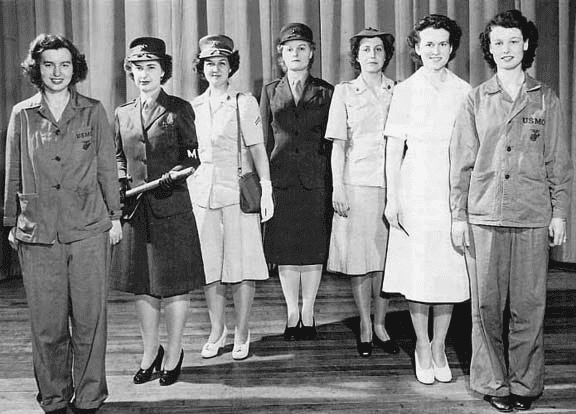
The war affected all spheres of people’s lives and fashion wasn’t an exception. Various local newspapers as well as sewing and knitting magazines contained war propaganda. Thus, the military mentality began to be reflected in the styles, making emphasis on the economy of materials, simplicity, strength and practicality.
The scarcity of materials was a major factor affecting military fashion. On the eve of the war, the Wartime Prices and Trade Board created a special federal program to monitor the economy and control inflation. It also monitored prices, distribution of materials and tailoring.
Strict rules for everyone
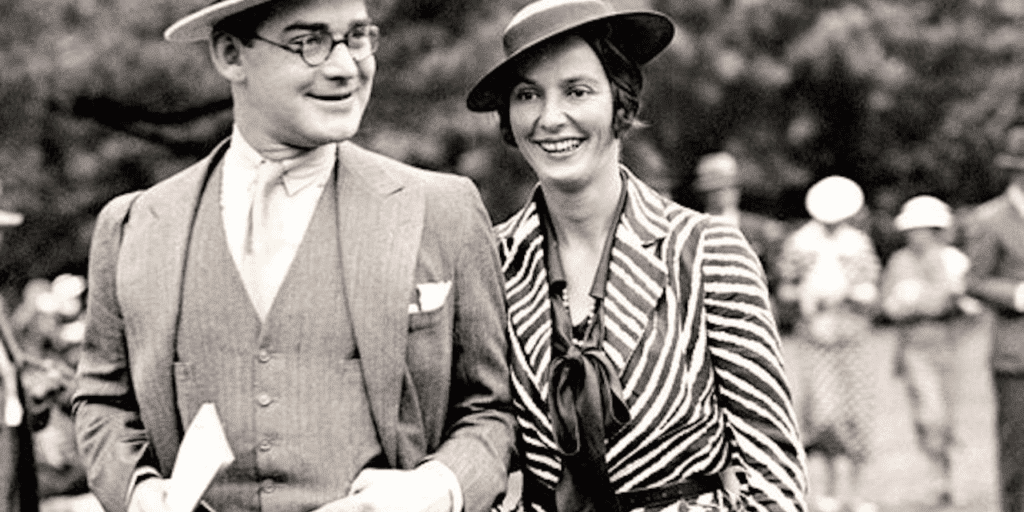
The main patriotic duty for both the society and the Toronto fashion industry was a consideration of the tailoring restriction. That’s the reason why conservative clothing became so popular.
Such materials as rubber, metal and silk were used for military purposes, and therefore, it was impossible to use them in the tailoring industry. Metal zippers were often replaced with simple buttons, while silk stockings were made of artificial silk and called “victory stockings”.
The styles of clothing were simplified and standardised as much as possible to reduce the amount of waste. Manufacturers limited the sewing depth and circumference of the pants’ buttocks. They also stopped making pants cuffs and double-breasted jackets.
Women stopped wearing accessories because craftsmen couldn’t waste metals and other materials, which were needed for the army.
Torontonians’ outfits
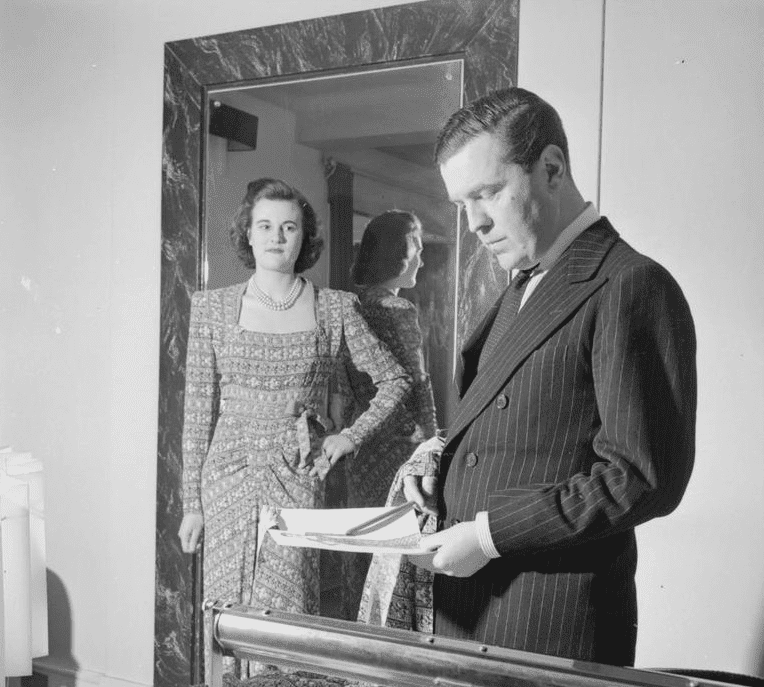
In those years, heavy fabrics became popular because they were strong and durable. Women wore shoes with low heels and banana jeans. Office workers preferred classic suits consisting of a blouse, a jacket and a long skirt. At the same time, the suits looked alike and resembled the military uniform of the Canadian Women’s Army Corps. Torontonians admired that style. It is worth noting that women began to wear pants and overalls in 1941. Also, women preferred collected hairstyles, which didn’t cover the face.
At the end of the war, Toronto women returned to their traditional style, waiting for their men from overseas.
Men’s clothing during World War II was mostly simple and practical. There was nothing excessive. Due to the lack of wool, manufacturers began to use artificial fibres, most often viscose.
The clothes’ colours were monotonous, as most of the outfits were created in black, grey and blue. Practicality was at the forefront of clothing design, as men wanted comfortable and durable clothing suitable for hard work.
Men wore classic suits only on special occasions, such as holidays or business meetings. A sweater matching the colour of the pants was a good variation of a casual outfit.
Those who didn’t want to follow fashion trends most often wore a zoot suit. It consisted of a jacket with wide lapels and high-waisted trousers with wide legs and tight cuffs. Men always wore zoot suits to restaurants and nightclubs.