

Toronto’s history is the history of its people, and that story is often best told through the places where they gathered to talk about life and, of course, look their best. Toronto’s hair salons and barbershops have never been just about grooming. They served as political clubs, sanctuaries for those escaping slavery, hubs for immigrant communities, and mirrors reflecting every fashion revolution—from powdered wigs and Beatlemania to modern fades.
Join torontonka.com on a journey through the centuries to discover how Toronto’s style evolved and meet the masters who stood behind the chair.
The Era of Wigs and Bloodletting: The Early 19th Century
Imagine the Town of York (the future Toronto) in the early 1800s. It was a muddy, sparsely populated settlement where hair care was a luxury for the elite. The first “masters” often combined haircuts with medical services—a legacy of the medieval barber-surgeon.
The first official mention of a hairdressing establishment in Toronto dates back to 1802, when Thomas Seaton Peacock announced the opening of a shop for “Ladies and Gentlemen.” A year later, in 1803, a certain Monsieur Roque arrived on Ontario Street “straight from London” to tend to the wigs of the local gentry.
In those days, a wig was more than an accessory; it was a necessity due to the spread of diseases like typhus, which caused hair loss, and general hygiene challenges. Even Toronto’s first mayor, William Lyon Mackenzie, wore a vibrant red wig to hide the baldness he had suffered since his youth.
From Barber to Surgeon: Multi-Talented Professionals
The colonial era blurred the lines between professions that seem worlds apart today. Until the mid-18th century, barbers performed tasks now reserved for doctors, such as bloodletting (thought to cure many ailments) and even occasional amputations.
This practice is actually where the iconic red-and-white barber pole comes from. After bloodletting, barbers would hang bandages outside to dry. As they wrapped around the pole in the wind, they created the spiral pattern symbolizing bandages and veins.
As the city grew and societal norms shifted, a clear distinction emerged. When York transformed into “Imperial Toronto,” men stopped wearing wigs, and barbershops catering exclusively to men began popping up across the city.
A Sanctuary of Freedom: African American Barbers in the Mid-19th Century
One of the most fascinating and lesser-known chapters of this history is the role of Black barbers. Between the 1830s and 1850s, Toronto became the terminus of the Underground Railroad for many escaping slavery in the United States.
Interestingly, early city records show a disproportionately high number of African Americans among barbers. Why? It was a trade that could be mastered relatively quickly and required minimal capital, yet it provided a steady income and social respect.
The most famous were the Cary brothers—Thomas, Newton, George, and John. They didn’t just trim beards; they were activists and community pillars. Thomas Cary, for instance, was married to Mary Ann Shadd, the renowned abolitionist and the first Black woman publisher in North America. Their shops on King Street and Yonge Street served as informal community centres where news, politics, and aid for newly arrived refugees were discussed.
The Dorenwend Empire
In 1880, a German couple, Hildebert and Anna Dorenwend, opened the “Parisian Hair Dressing Saloon” on Yonge Street. They transformed the standard barbershop into a full-service salon offering cuts, shaves, washes, dyeing, wig-making, skin treatments, and even hair removal. Hildebert positioned himself as a “Professor,” and their establishment became the gold standard for Toronto fashion.
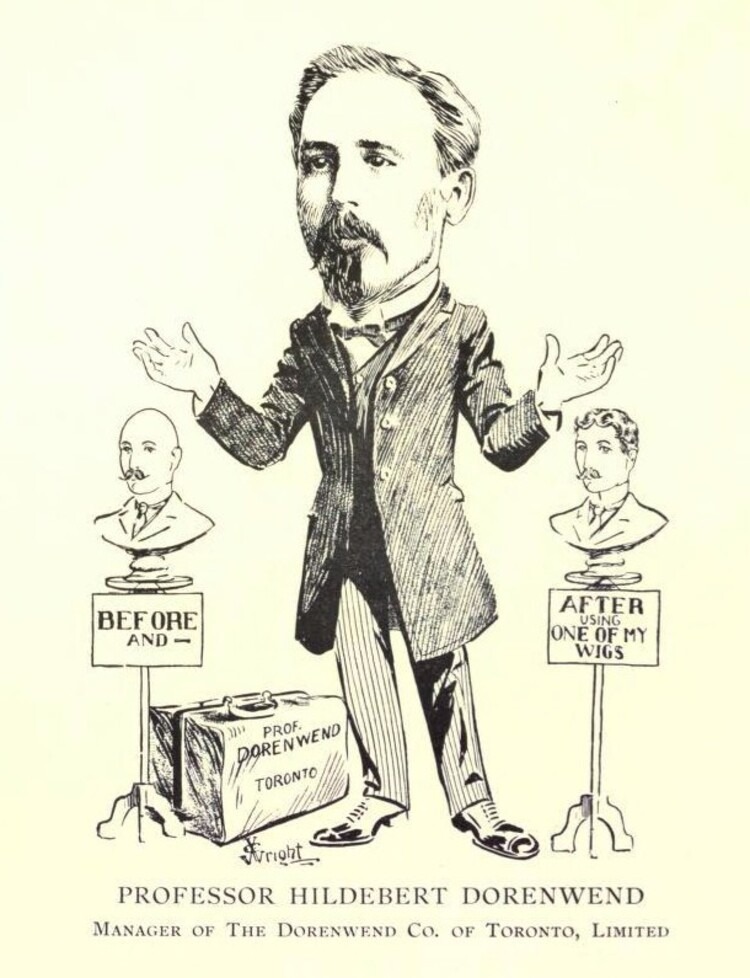
The Dorenwends’ business flourished. By the turn of the century, Hildebert had expanded, hiring not just barbers but perfumers and administrative staff. They were so successful they were included in the “Toronto Society Blue Book,” a rare feat for those in the grooming trade.
The “Golden Age” and the Rise of the Hotel Barbershop (1900–1950)
At the turn of the century, the barbershop evolved into an exclusive men’s club. This was an era where a man wouldn’t dream of appearing in public looking unkempt. A visit to the barber became a weekly ritual.
Barbershops in grand hotels became hubs of luxury. The legendary King Edward Hotel (opened in 1903) boasted an opulent shop with onyx countertops, plush leather chairs, and gilded frames. It was an elite male space connected to the gentlemen-only club culture. Here, the city’s power brokers—politicians, businessmen, and even Prohibition-era gangsters—came for a trim. Legend has it that Al Capone himself would stop by for a straight-razor shave during his “business” trips to visit local distilleries.
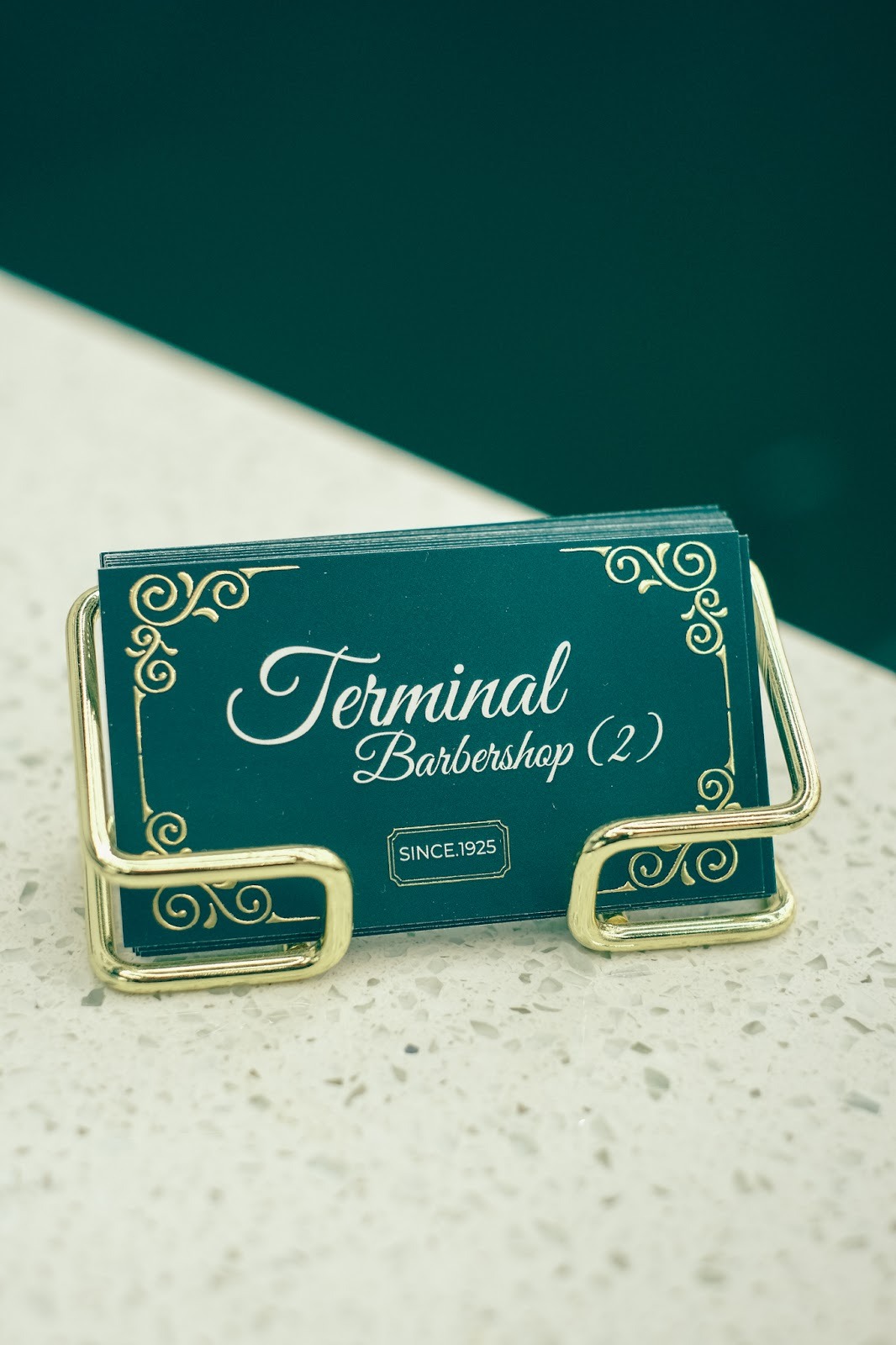
In 1925, the Terminal Barbershop opened its doors. Today, it is considered Toronto’s oldest continuously operating barbershop. Located at the corner of Dundas and Elizabeth, it has survived the Great Depression, World War II, and countless fashion trends while staying true to its classic old-school style.
The Immigrant’s Chair: Italians, Greeks, and Ukrainians
Post-WWII mass immigration from Europe changed the face of Toronto. For many Italian, Greek, and Ukrainian newcomers, opening a barbershop was their “ticket” into Canadian life.
These establishments became the heart of ethnic neighbourhoods. In the Italian shops on College Street or St. Clair Avenue, opera was always playing and the scent of espresso filled the air. Greek masters on the Danforth were famous for their speed and hospitality. A landmark of this era is “Gus The Other Barber.” Opened by a Greek immigrant in 1960 on Bloor Street, the shop became a cult classic, its name a cheeky jab at a nearby competitor.
The Ukrainian community also left a significant mark. In Queen West and later Bloor West Village, Ukrainian barbershops were places to get a haircut and catch up on community news, buy a newspaper, or get tickets for a local dance. While history might not have recorded a single “Ukrainian Monsieur Roque,” thousands of unnamed masters brought the European school of precision to Toronto. Interestingly, recent years have seen a revival among young Ukrainian barbers in the city, who are bringing back traditional styles like the Cossack “oseledets” (forelock) in a modern, edgy context.
From Boudoir to Salon: The Women’s Beauty Revolution
While men’s barbershops were public clubs, women’s beauty in Toronto remained a private affair behind bedroom doors for a long time. Until the early 20th century, “ladies” didn’t get haircuts—they were groomed. Wealthy Toronto women had maids who would brush their long hair hundreds of times a day.
Jazz changed everything. When Toronto’s emancipated women began cutting their hair into “Bobs” in the 1920s, it created a crisis.
Maids didn’t know how to execute complex geometric cuts, forcing women to seek professional help. At first, they tentatively—and scandalously—entered men’s barbershops. In response, the city saw an explosion of “Beauty Parlours.”
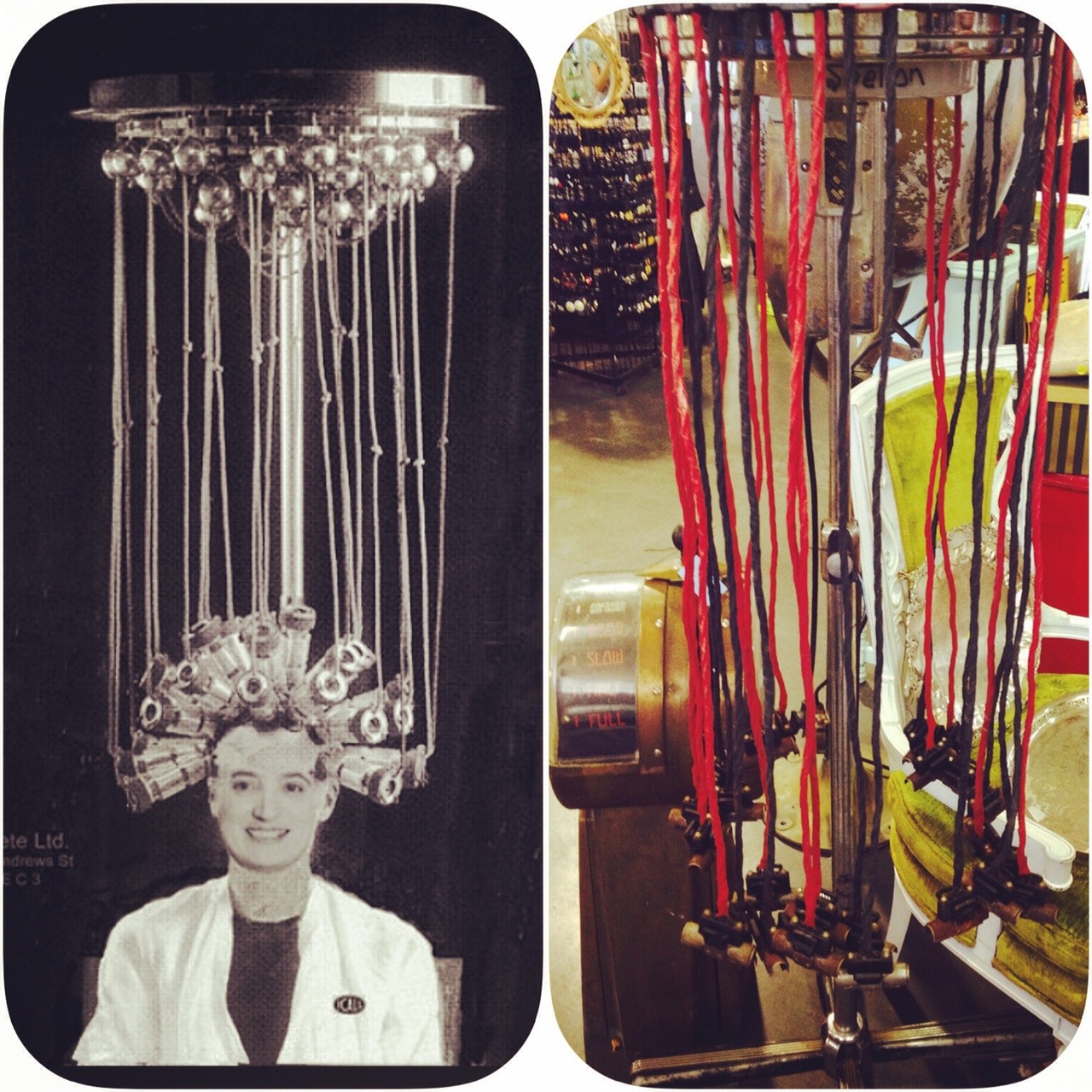
By mid-century, a trip to the hairdresser was a social event. Department stores became magnets for style, such as the legendary T. Eaton Co. on Yonge Street, which had an entire floor dedicated to beauty. Women in white gloves would come for a “set” before a night at the theatre. This was the golden age of the perm—machines with dangling wires promised “perfect curls forever.”
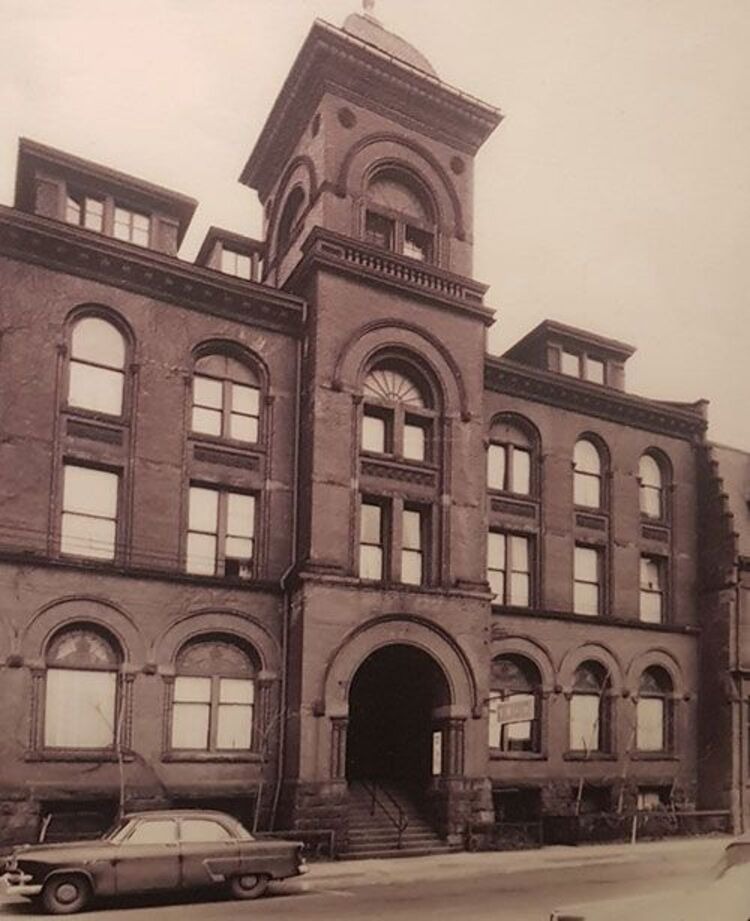
The Elmwood Spa building on Elm Street also played a vital role; since 1889, it served as the first YWCA, providing a safe space for women before eventually transforming into a club for beauty and relaxation.
The history of Toronto’s salons would be incomplete without mentioning the Blackhurst neighbourhood and the pioneers of Black beauty. For a long time, beauty schools ignored textured hair. Change came with trailblazers like Camille Azan, who opened a salon on Spadina Avenue in 1962, bringing professional Black hair care to the forefront, and Beverly Mascoll, who built a professional hair product empire in the 1970s.
Eglinton West and the “Little Jamaica” Phenomenon
In the 1960s and 70s, Eglinton West transformed into a hub for Caribbean beauty culture. Here, the hair salon is a social institution. Places like Monica’s (founded by Monica Lewis in the late 60s) became safe havens for natural hair care and community connection. This is where the unique “Toronto Black aesthetic” was truly forged.
The “Dark Ages” for Barbers: The Unisex Revolution (1960–1980)
When the Beatles arrived in Toronto in 1964, the grooming world turned upside down. Men started growing their hair long. The classic short-back-and-sides became a symbol of the old guard.
Traditional barbers, used to clippers and shears, faced a crisis. Many old-school shops closed. In their place came the era of the unisex salon. Men began visiting “women’s” salons for blowouts or even perms. It was a time of experimentation where the line between the men’s and women’s sections virtually disappeared.
The Return of the Barbershop
Fashion is cyclical. In the early 2000s, and especially since 2010, Toronto has been swept by a wave of masculine nostalgia. Barbershops have returned, but with a modern twist.
Today’s Toronto shops blend 1920s aesthetics—leather chairs, straight razors, and hot towels—with modern perks like craft beer, gaming consoles, and online booking.
The current Toronto scene is a vibrant cultural mosaic. You might find a master from Syria who is an expert in threading, a Jamaican stylist creating architectural braids or a “silk press,” or a Ukrainian professional renowned for flawless complex colouring or a perfect fade. The barber’s chair in Toronto remains what it has been for 200 years: a meeting place of cultures.