

Toronto’s club scene? It’s a real mosaic of vibrant events, pumping music, and diverse people, all coming together to create that unique vibe after the sun goes down. For many, it’s more than just a night out; it’s a way to express themselves, make new friends, and discover cool spots. Back in the ’80s, it all kicked off with house parties and underground raves. Nowadays, Toronto’s nightlife is a huge part of the city’s culture. But it’s not just the music that’s changed—Toronto itself has evolved right alongside it. Its history, its culture, its society… We’re diving deep into this dynamic, multi-layered world. For more on Toronto’s pulse, check out Torontonka.
The Evolution of Toronto’s Club Scene
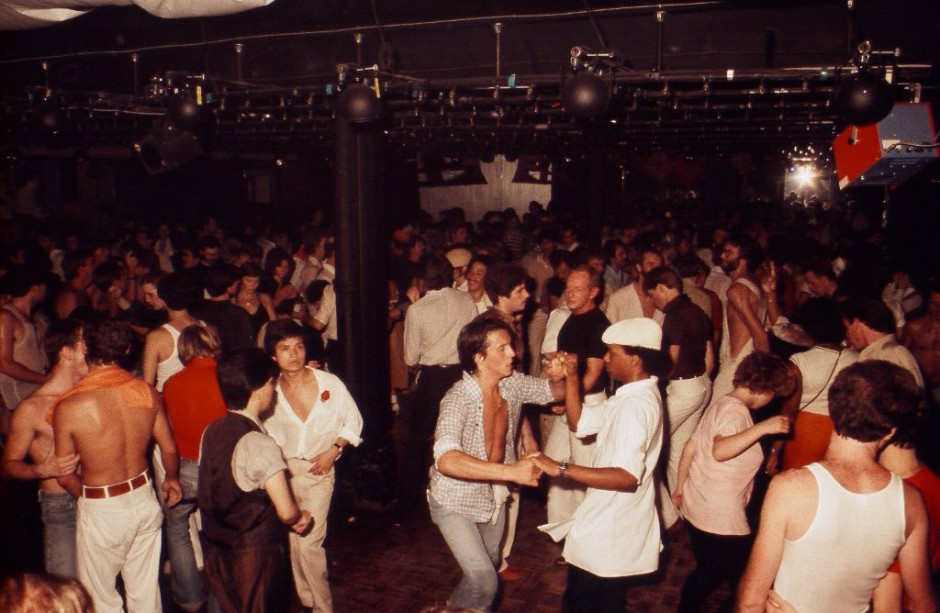
Toronto’s club scene really started taking shape in the 1980s as new musical trends swept through the city. That’s when the Twilight Zone burst onto the scene. It was small but incredibly influential, quickly becoming a go-to spot for electronic music and hip-hop fans. This was a formative period for music and culture, with clubs gradually transforming into hubs of creativity, electrifying dance, and pure self-expression.
The 1990s saw Toronto’s club scene explode. New venues popped up everywhere, with Industry earning a special place. This club became a vital center for the city’s nightlife, and at the same time, a welcoming space where members of the LGBTQ+ community found support and felt truly accepted.
By the 2000s, Toronto’s club scene had gained even more popularity and international recognition. Clubs like Footwork put the city on the global map with their unique parties, featuring everything from experimental new sounds to reimagined traditional music styles. These clubs not only championed local artists but also helped shape Toronto’s cultural image as one of the world’s most vibrant nightlife capitals.
Clubs: A Social and Cultural Hub
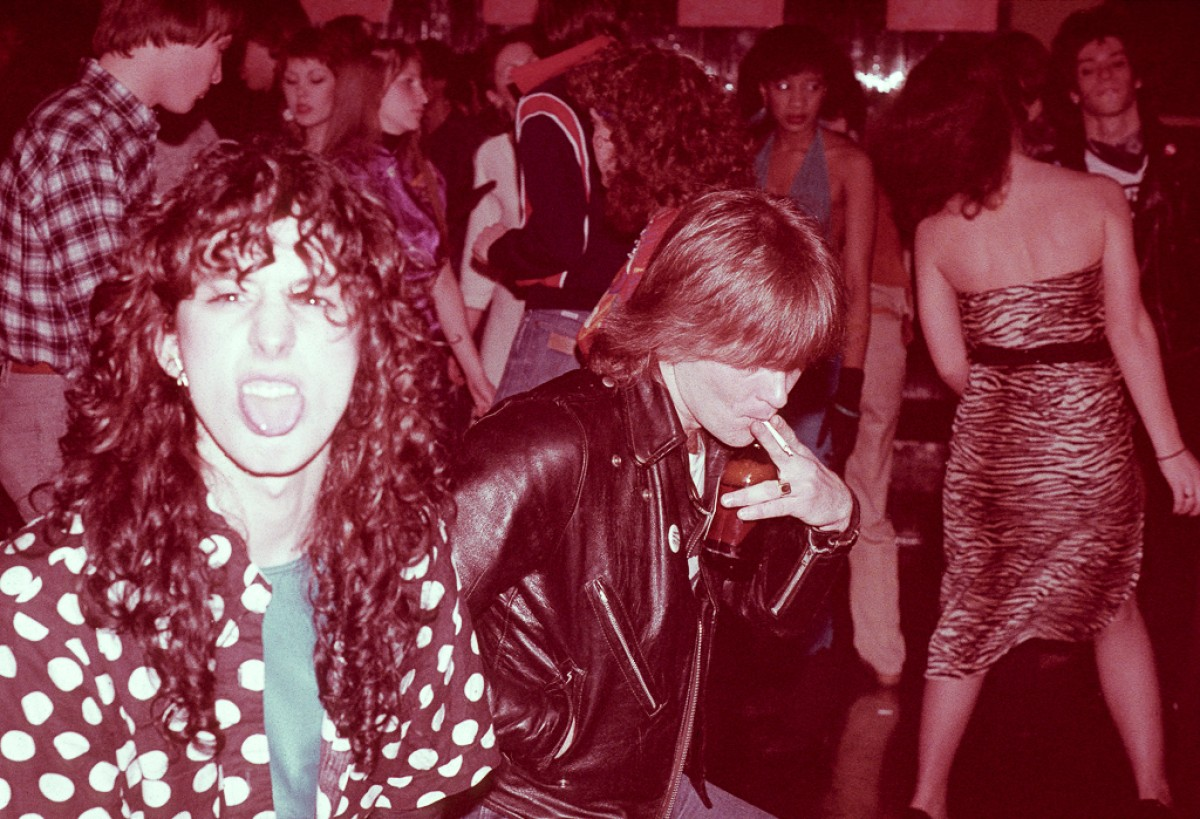
Picture Toronto at night: streets lit up with neon signs, music pulsing from every corner, and inside the clubs, hundreds of people gathering, not just to dance, but to find a place where they can be themselves, connect with like-minded individuals, and truly feel free. Despite the common image of nightclubs as mere entertainment venues, in Toronto, they often became crucial intersections of social and cultural movements. In the 1990s, clubs like Fly, Boa-Redux, and The Guvernment didn’t just set the party agenda; they united diverse social groups who lacked recognition or their own space in public life. This included the queer community, immigrants, and underground artists and musicians all seeking a sense of belonging and understanding.
It was within Toronto’s clubs that local branches of global subcultures truly blossomed. For instance, the Queen West area fostered an alternative electronic music scene, while the queer club scene thrived at the intersection of drag performances and techno parties. South Park had its own hip-hop scene with local rappers. Some venues, like Club 120 and Nocturne, remained intimate and accessible, which helped build trust within their communities. Clubs also hosted fundraising events to support LGBTQ+ initiatives, organized protests against police brutality, and even offered sex education lectures. In fact, club flyers often read more like political manifestos than party advertisements.
Ultimately, for many, the club scene was the only place they didn’t feel isolated by societal norms. Visual style, musical tastes, and even dancing became powerful forms of self-expression, far beyond just following popular trends.
Modern Challenges and Transformations
Toronto’s club scene today looks pretty different from how it used to. More and more people are getting their music fix online through live streams, virtual parties, and streaming platforms. For example, Toronto DJs often host sets on Twitch or Instagram, reaching audiences not just in the city but all over the world. This format has its perks—you can listen to your favorite tracks without leaving home—but it’s serious competition for traditional clubs.
At the same time, the city is facing other challenges. Rent in downtown Toronto has skyrocketed over the past decade. Clubs that were once cultural cornerstones are now closing down or moving further out to the suburbs. Take the legendary The Bovine Sex Club, for instance; its landlords have changed addresses multiple times due to rising rents. Plus, neighborhood complaints about noise and crowds are leading to stricter rules and more control from city officials. These circumstances are forcing venue owners to rethink how they host parties: some are moving outdoors, some are limiting guest numbers, and others are opting for more intimate events.
Despite these hurdles, there are some positive shifts happening in club culture. There’s a greater focus on inclusivity and safety. New spaces like Nocturne and Club 120 are creating atmospheres where people from diverse communities—LGBTQ+, ethnic minorities, and creative subcultures—can feel comfortable and secure. This is especially vital in a bustling metropolis where finding your people can sometimes be tough.
What’s more, clubs continue to be vital platforms for creative experimentation. This is where new music genres and styles are born. Toronto regularly hosts parties featuring emerging DJs and musicians who are pushing the scene to new levels. Footwork is a prime example, earning international acclaim by championing local talent and hosting unconventional events.
Sources: