

Domestic violence and gender-based violence remain significant issues not only in Toronto but across Canada. Victims of abuse often face mental health challenges and require immediate assistance.
There are various forms of violence, and it’s crucial to recognize that any form of physical or emotional abuse is unacceptable.
In Toronto, the number of reported cases continues to rise each year. Statistics show that women are disproportionately affected by violence compared to men. This article explores what constitutes domestic violence and outlines available support options in torontonka.com.
What Do the Statistics Say in Toronto?
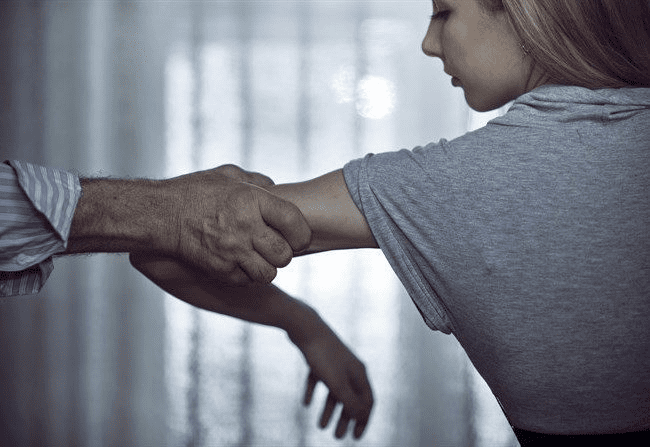
In 2020, local authorities investigated over 4,000 cases of domestic violence and abuse by men against women. In comparison, in 2019, 5,031 people reported violence to the Toronto Police. The slight decrease in these figures reflects positive progress.
However, at the onset of the pandemic in 2019, experts predicted a surge in domestic violence cases in Toronto, as people were confined to their homes due to lockdowns.
During this period, the Canadian Assaulted Women’s Helpline, which provides support to victims of violence, received 70,000 calls—an increase from the annual average of 50,000 calls prior to the pandemic.
Shelter Movers, a non-profit organization offering free moving services for women fleeing domestic violence, also reported a significant rise in family violence cases following the outbreak of COVID-19. Before the pandemic, the organization assisted around 20 families per month, but at the height of the pandemic, this number increased to 30 families monthly.
Signs of Domestic Violence

Domestic violence can often go unnoticed. Many women choose to remain silent about abuse in their households. In some cases, abuse develops gradually, leaving the victim unaware of what is happening. In Toronto, domestic violence is the most commonly reported form of abuse. It can take the following forms:
- Verbal insults and name-calling.
- Use of physical force during arguments.
- Demeaning a person’s self-esteem through insults.
- Aggressive behavior.
- Controlling behavior, such as monitoring how much money a woman earns or spends.
- Isolating the victim from friends and family.
- Punishing the victim for “bad behavior.”
Physical violence is the most apparent indicator of domestic abuse. In some cases, it involves the use of weapons such as knives or firearms. Besides physical assaults, other warning signs include:
- Unexplained bruises or injuries.
- A victim’s fear of being alone with their partner.
- Constant accusations of infidelity or insufficient affection from the partner.
What Should You Do If You Are a Victim of Violence?

When a partner exhibits abusive behavior, victims must make a choice: end the relationship or stay and attempt to resolve the issue peacefully. Ignoring the problem is never an option.
Seek Professional Help.Toronto has numerous specialized organizations that provide assistance and shelter to victims of violence. Many of these facilities offer counseling services. Working with a psychologist is crucial for every victim to process their trauma and rebuild their self-esteem.
Get Medical Assistance. Injuries sustained during abuse may require medical attention, including hospitalization or surgery.
Report to Law Enforcement. Notify the police about the domestic violence incident. Law enforcement can intervene to prevent further incidents and ensure your safety under the law.
Domestic violence, or any form of abuse, should never be endured or ignored. Every woman has the right to respect, safety, and self-worth. Seeking help is a courageous step toward reclaiming control over your life.