

Anne Dagg, a zoologist, feminist, and writer, is known not only in Toronto but worldwide for her groundbreaking giraffe research and advocacy for gender equality. She was the first Western researcher to study giraffes in Africa and a tireless champion for women’s rights. Read more about her inspiring life, career, and contributions at torontonka.com.
A Curious Childhood

Anne Dagg was born on January 25, 1933, in Toronto, as one of four children in her family. Her father was a renowned Toronto historian and economist and a professor at the University of Toronto, whose seminal works, The Fur Trade in Canada (1930) and The Cod Fisheries (1940), helped shape Canadian political economy. In his honour, a college at the University of Toronto was named after him following his death in 1964.
Anne’s mother was also a prominent figure, serving as a writer and scholar. In 1955, she became the dean of the women’s faculty at the University of Toronto.
Growing up in such an intellectually rich environment, Anne was a curious and energetic child. At the age of three, her mother took her to Brookfield Zoo in Chicago, where she saw a giraffe for the first time—a moment that sparked a lifelong passion for the animal.
Determined to study giraffes, Anne pursued a science-focused education at Bishop Strachan School, Toronto’s prestigious school for girls.
After high school, Anne enrolled at the University of Toronto, earning a Bachelor of Biology in 1955, followed by a Master’s in Genetics in 1956. In 1967, she completed her PhD at the University of Waterloo, specializing in animal behaviour. Her dissertation focused on the behaviour of North American pronghorn antelope.
A Groundbreaking Journey
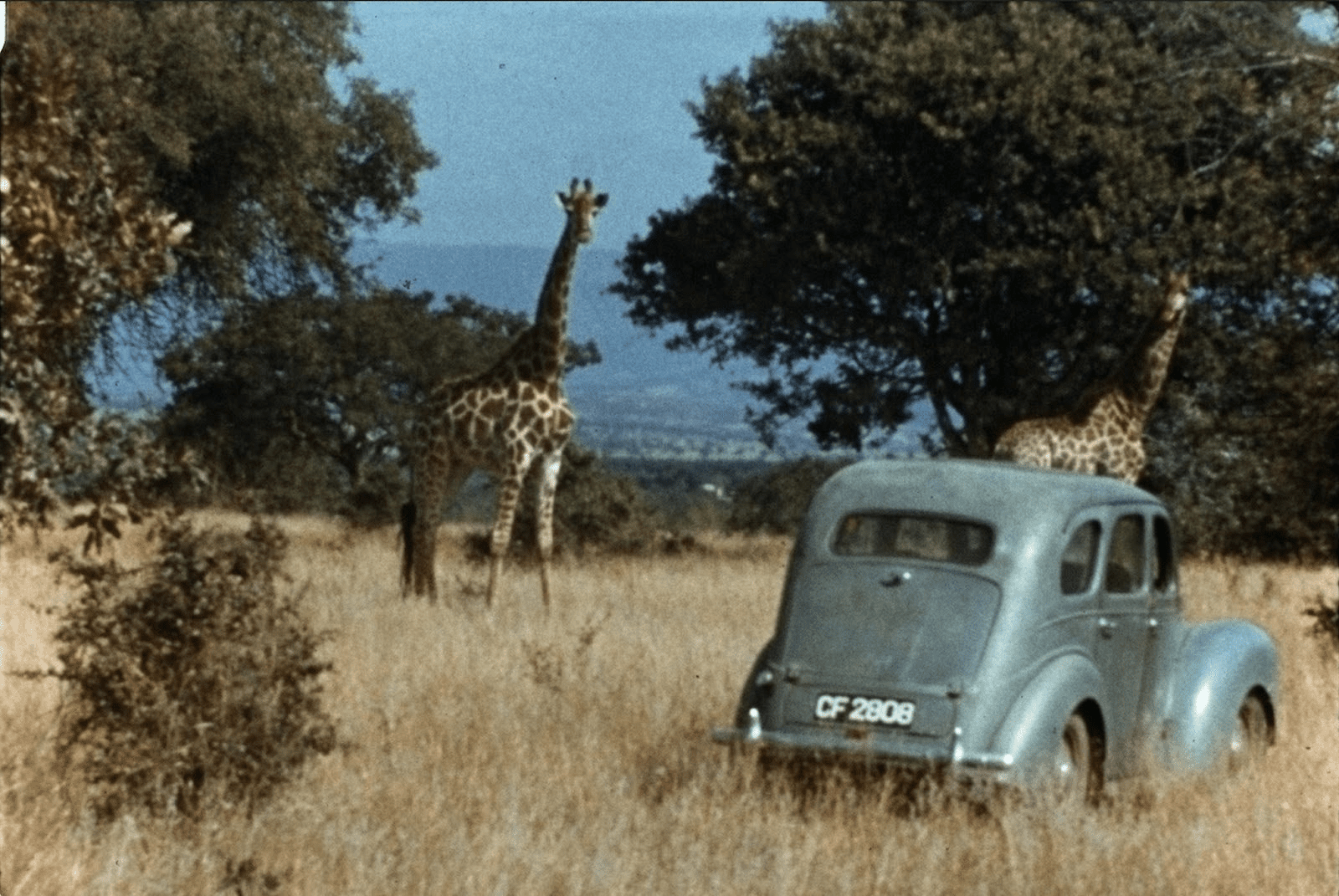
In 1956, at the age of 23, Anne embarked on her first trip to Africa, fulfilling her dream of studying giraffes. For a year, she observed giraffes on the Fleur de Lys ranch near Kruger National Park in South Africa. Braving the journey alone, Anne spent countless hours observing giraffes from the stifling interior of her car.
In 1958, Anne published her observations in the Zoological Society of London’s Journal. Her paper, The Behaviour of the Giraffe, Giraffa Camelopardalis, in the Eastern Transvaal, was the first scientific article about African mammals by a Western researcher.
In 1976, Anne co-authored her first book on giraffes, Biology, Behaviour and Conservation, with Bristol Foster. The book is regarded as the “bible” on giraffe studies by zoologists worldwide. Later, in 1984, Anne became the first zoologist to document and describe homosexual behaviour in wild giraffes.
Fighting Sexism in Academia
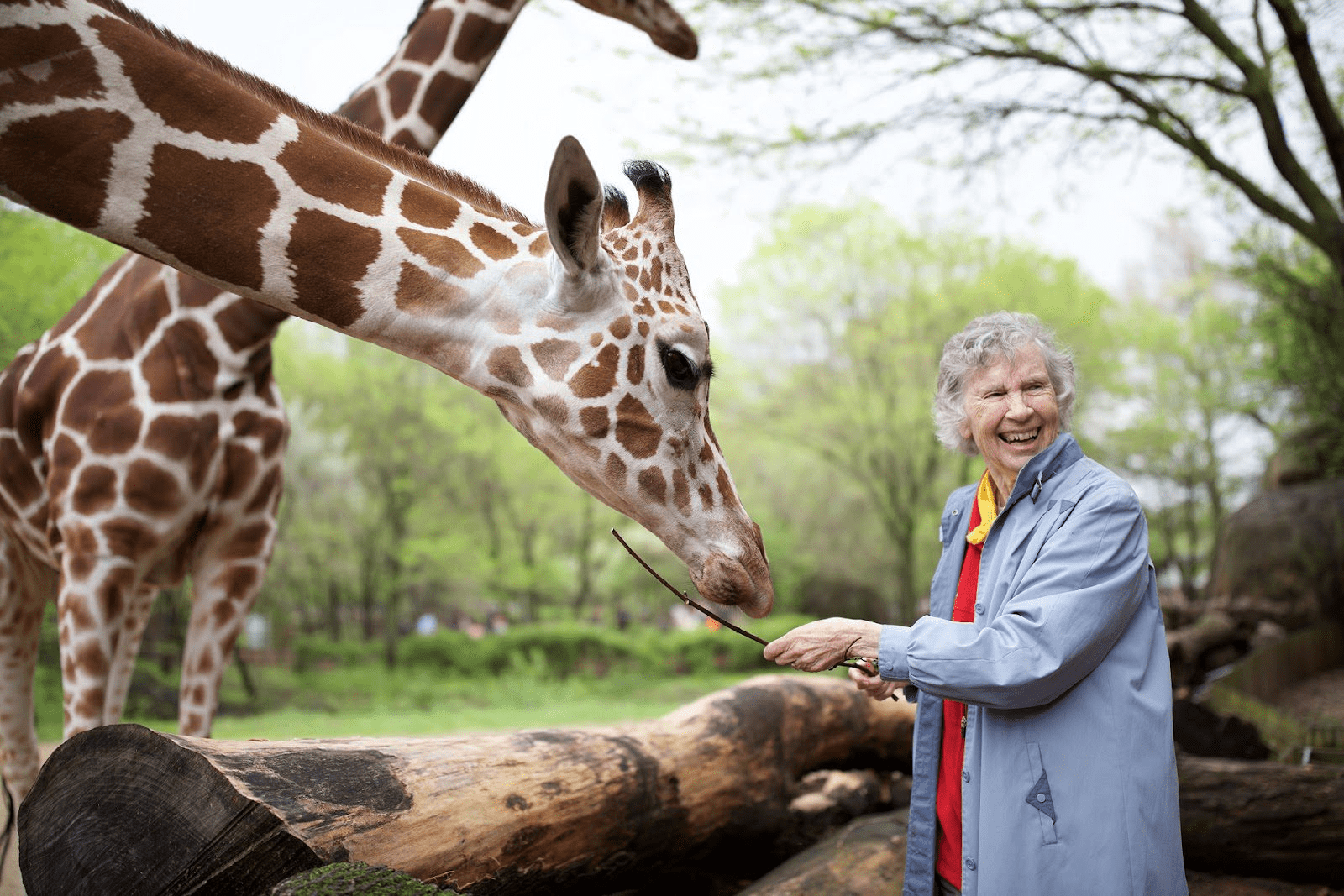
Throughout her career, Anne Dagg encountered sexism, which fueled her commitment to gender equality. In her memoirs, Anne reflected on a pivotal moment when she realized discrimination extended beyond her personal experiences and affected countless women in academia.
Her feminist activism took many forms, including defending women’s rights in universities and addressing sexist language. In 1983, she launched the Language Alert Newsletter after clashing with prominent writers like Pierre Berton and Northrop Frye over their use of sexist terms.
Anne’s work was part of a broader campaign to make universities more inclusive for women. In 1988, she co-authored MisEducation: Women and Canadian Universities with student Patricia Thompson. The book exposed the sexist culture in Canadian universities and called for reduced public funding to institutions with discriminatory practices.
Anne Dagg’s pioneering spirit and relentless advocacy left an indelible mark on both zoology and feminism. Her work not only advanced scientific understanding of giraffes but also paved the way for gender equality in academic and professional settings, inspiring countless women to follow in her footsteps.