

Judy Rebick is a prominent figure in Toronto, recognized as a feminist, activist, author, television host, and public speaker. Since the 1960s, she has been a passionate advocate for women’s rights. Rebick was a member of the NDP’s Waffle caucus and a spokesperson for the Ontario Coalition for Abortion Clinics, championing women’s right to choose. Read more about Judy Rebick’s activism and achievements at torontonka.com.
Early Steps in the Fight for Equality
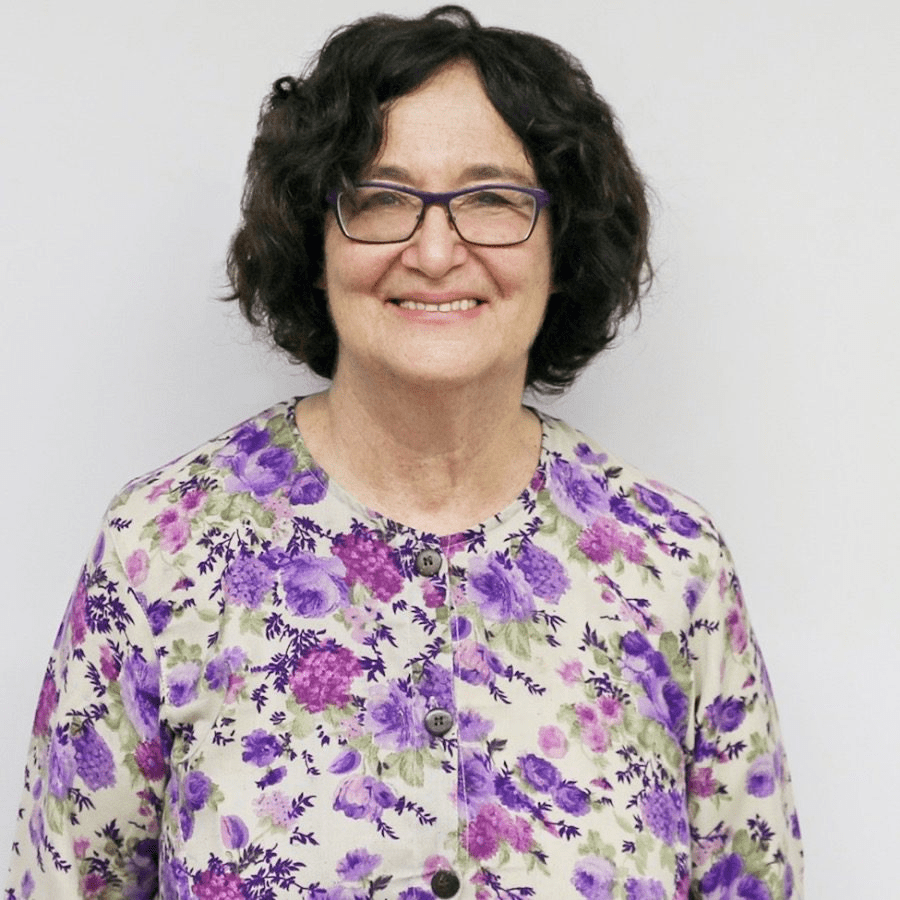
Judy Rebick was born on August 15, 1945, in Reno, Nevada. Her family moved from the United States to Canada when she was nine years old, quickly settling in Toronto.
After finishing high school, Rebick wrote for The McGill Daily while studying psychology at McGill University. She graduated in 1968 and moved to New York, where she became involved in cultural activism. There, she was shocked and angered by the sexism displayed by male colleagues. Her solo travels through South Asia further exposed her to stark racial and gender discrimination.
In 1969, Rebick returned to Canada and began working with the Revolutionary Marxist Group, a Trotskyist faction within the New Left movement. The group was united in its commitment to gender equality, despite internal debates over tactics.
Rebick’s activism led her to join Waffle, the radical wing of the New Democratic Party (NDP). She aligned with leaders such as Mel Watkins and James Laxer, who advocated for radical socialist ideas to protect working-class Canadians from elite dominance.
In 1986, Rebick ran unsuccessfully for president of the Ontario NDP. The following year, she stood as the NDP candidate for Oriole in the Ontario provincial election but finished third.
Notable Achievements
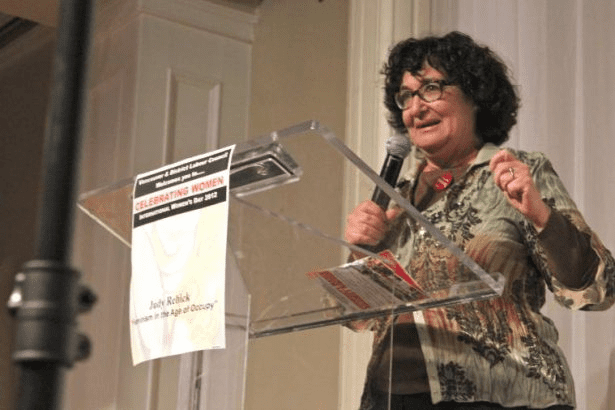
Rebick gained widespread recognition in the 1980s as a spokesperson for the Ontario Coalition for Abortion Clinics, defending women’s access to abortion services.
Between 1970 and 1990, she founded several initiatives within the Canadian Hearing Society.
In 1970, the Royal Commission on the Status of Women issued recommendations that led to significant political reforms, including expanded access to contraception, childcare, and maternity leave. However, the government’s slow implementation of these reforms prompted the creation of the National Action Committee on the Status of Women (NAC). This became Canada’s largest feminist lobbying group, supported by over 700 organizations, including churches.
From 1990 to 1993, Rebick served as NAC’s president. Under her leadership, the group pressured the federal government to improve women’s lives by advocating for equal pay and full access to crisis centers for victims of rape and abortion-related trauma.
While advocating for feminism and women’s rights, Rebick also contributed articles to various magazines and newspapers, urging readers to resist unjust policies and government actions.
From 2002 to 2010, Rebick held the Sam Gindin Chair in Social Justice and Democracy at Ryerson University. During her tenure in 2008, she spearheaded a three-day sit-in at Ontario’s legislature, protesting against the exploitation of Indigenous lands by resource extraction companies.
Rebick co-founded the Toronto Social Forum to promote social justice in the city and organized an international conference that brought together activists from around the world.
For her significant contributions to social justice, Judy Rebick was awarded the Sarah Shorten Award in 2019. Her dedication to feminism and equality continues to inspire new generations to fight for justice and fairness.