

Women in the military are known for their strength and resilience. In modern Toronto, many women have dedicated their lives to service, facing challenges with determination. Eva Mae Roy, a private in the Canadian military, earned respect through her impeccable service during World War II. Learn more about her life and service at torontonka.
A Portrait Known Worldwide
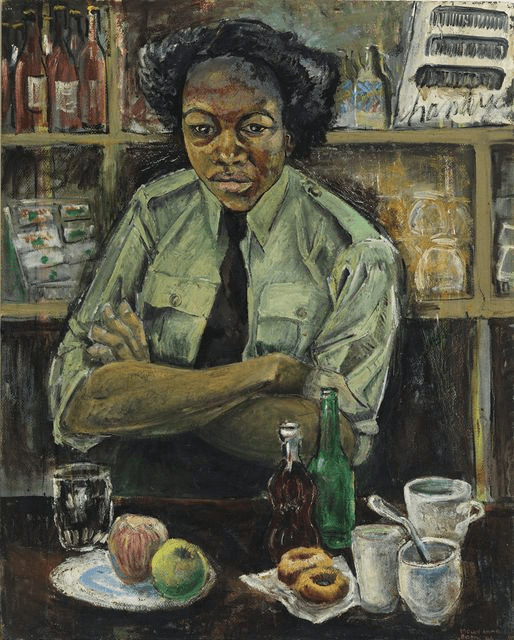
In 1946, Eva’s portrait was painted by Molly Bobak, Canada’s first female war artist. The painting depicts a Black Canadian woman in military uniform, standing behind a cafeteria counter with her arms crossed and a stern expression. This portrait has been displayed in galleries and museums worldwide. Although many recognize the artwork, the story behind its subject is less known.
Eva Roy was one of the few Black women to serve in the Canadian Armed Forces during World War II. A pioneer, she served overseas at a time when it was rare to see a Canadian woman soldier working in Europe.
Interesting Facts About Her Life
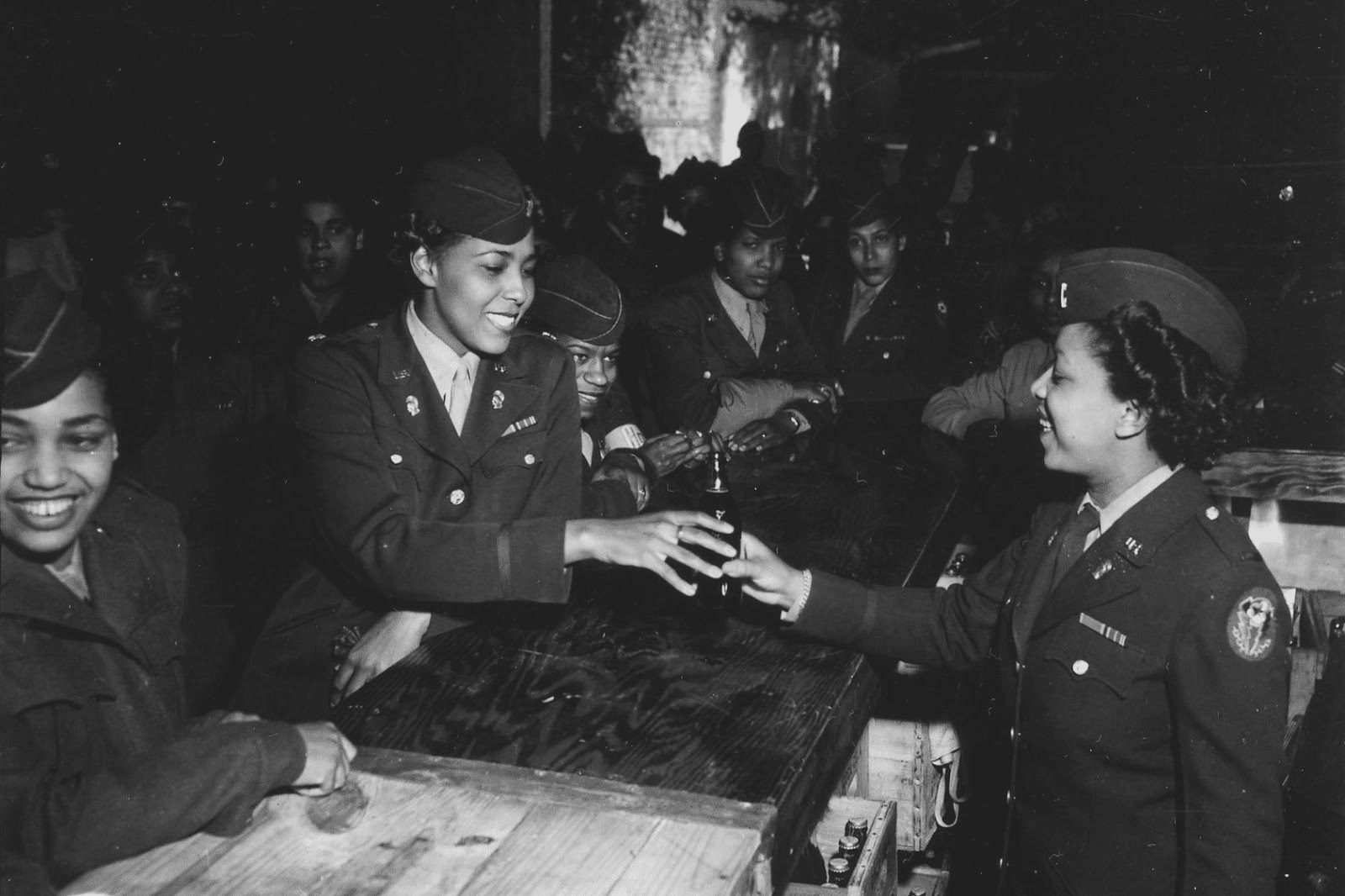
Stacey Barker, an art and military historian at the Canadian War Museum, explored Canadian Armed Forces documents to uncover more about Eva Roy’s life.
She discovered that at the start of World War II, Roy left her job as a fuse presser at the General Engineering Co. munitions factory in Scarborough, Ontario.
In 1944, Roy joined the Canadian Women’s Army Corps (CWAC), where more than 5,000 women served in various roles during the war, from cooking to codebreaking.
In wartime Toronto, women who wanted to serve were typically required to train as nurses. For Black women, however, even this training was nearly inaccessible. Roy trained as a cook and worked in soldiers’ mess halls, first in Canada and later in Europe—an exceptional opportunity, as only 1 in 9 Canadian women were allowed to serve overseas.
Roy’s military records suggest that behind her tough exterior was a sensitive soul. She was sociable and cheerful and had a talent for singing, which led to an audition with the Army Show, a theatre troupe that performed for Canadian soldiers on the front lines. Although she did not pass the audition, she returned to Toronto, where she continued her service.
In the winter of 1946, after returning home, she worked as a postal clerk in Toronto. After over a decade with the postal service, from 1955 to 1965, Roy rejoined the army, eventually earning the rank of sergeant.
At that time, racial discrimination was prevalent, making Roy’s promotion to sergeant particularly noteworthy. In 1990, she retired from the army at this rank and passed away soon after.
Honouring Her Legacy
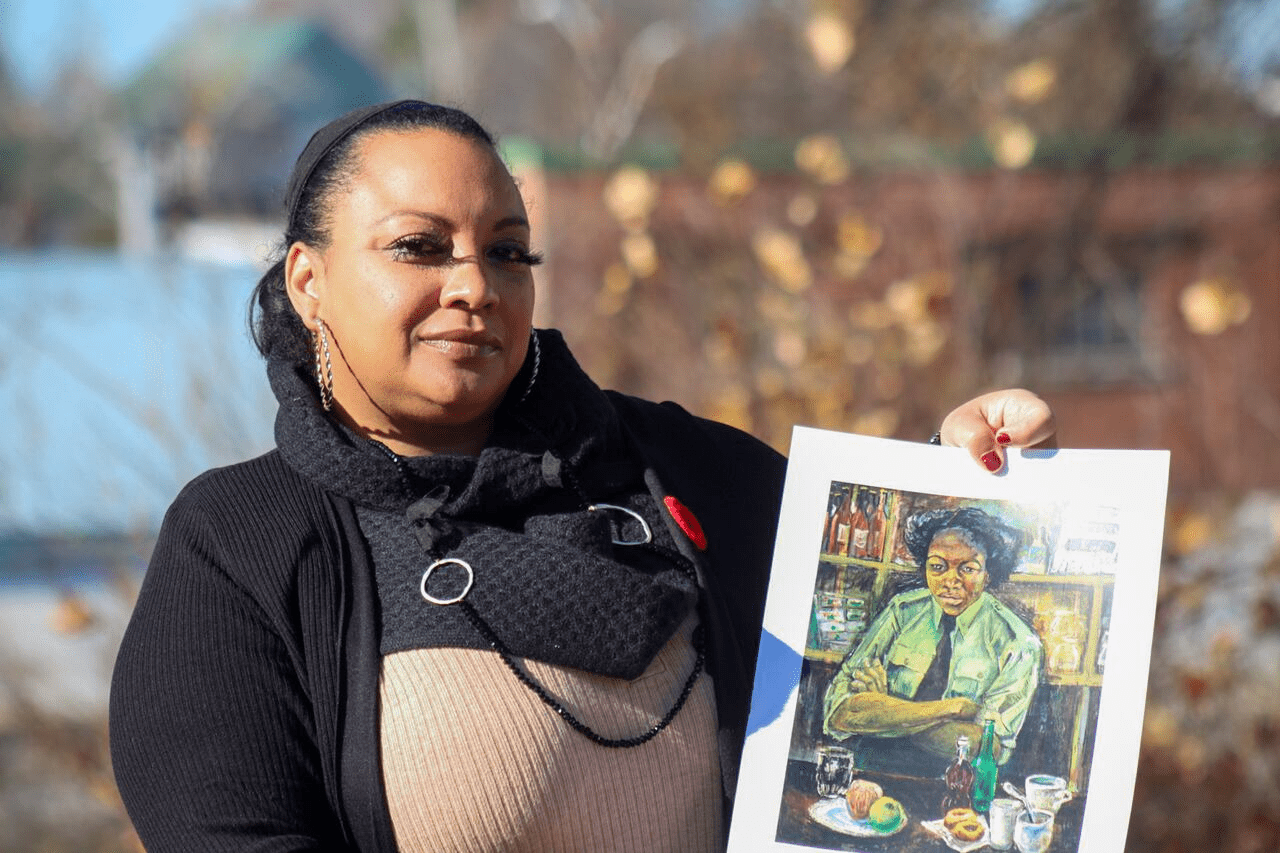
Eva’s granddaughter, Shannon Roy, deeply respects her grandmother’s memory. She keeps another portrait of Eva at home, along with photo albums filled with black-and-white pictures of Eva in athletic activities. These images reveal a side of her that few knew—confident, composed, and always smiling.
In an interview with CBC, Shannon shared that her grandmother worked for over 20 years at Queen’s Printer, where she was respected. Eva had a charming smile that captivated everyone, though her personal life was challenging. She was a single mother with a background in military service.
Eva’s son, Peter, became known in Toronto for his support of the Royal Canadian Legion, always active in campaigns honouring his mother’s memory. In 2018, he visited Ottawa to see his mother’s portrait in person—a painting that has captivated everyone who has viewed it.